TEXTILE WASTE
What it is, why it grows, and why recycling is difficult
Textile waste includes discarded clothing, fabrics, and household textiles.
It combines natural fibers, synthetic materials, dyes, and chemical treatments in complex ways.
This page explains what textile waste is, why it increases globally, what the data shows, and why recovery is limited.
What textile waste is
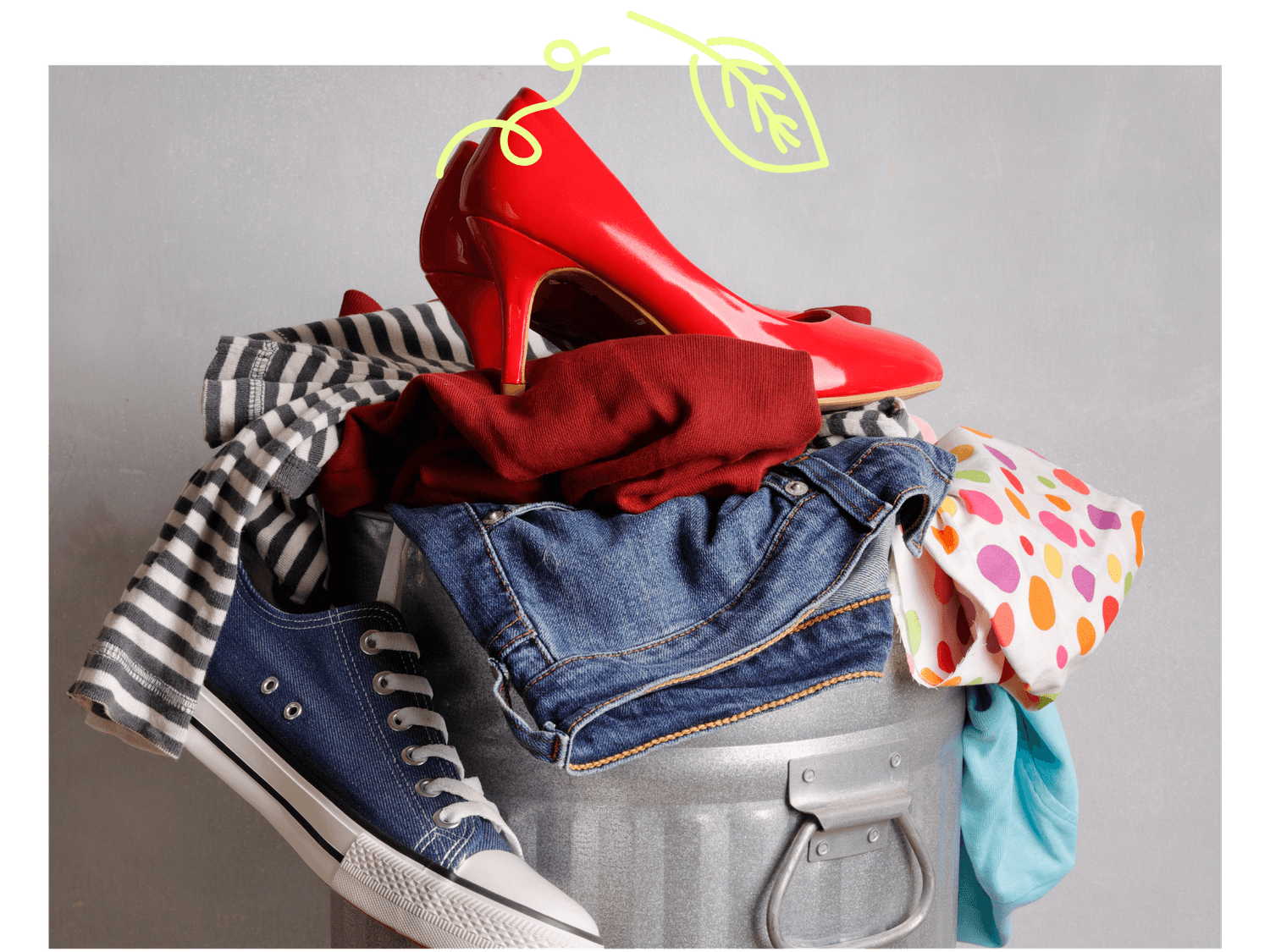
Textile waste includes clothing, footwear, upholstery, bedding, and fabric scraps from manufacturing.
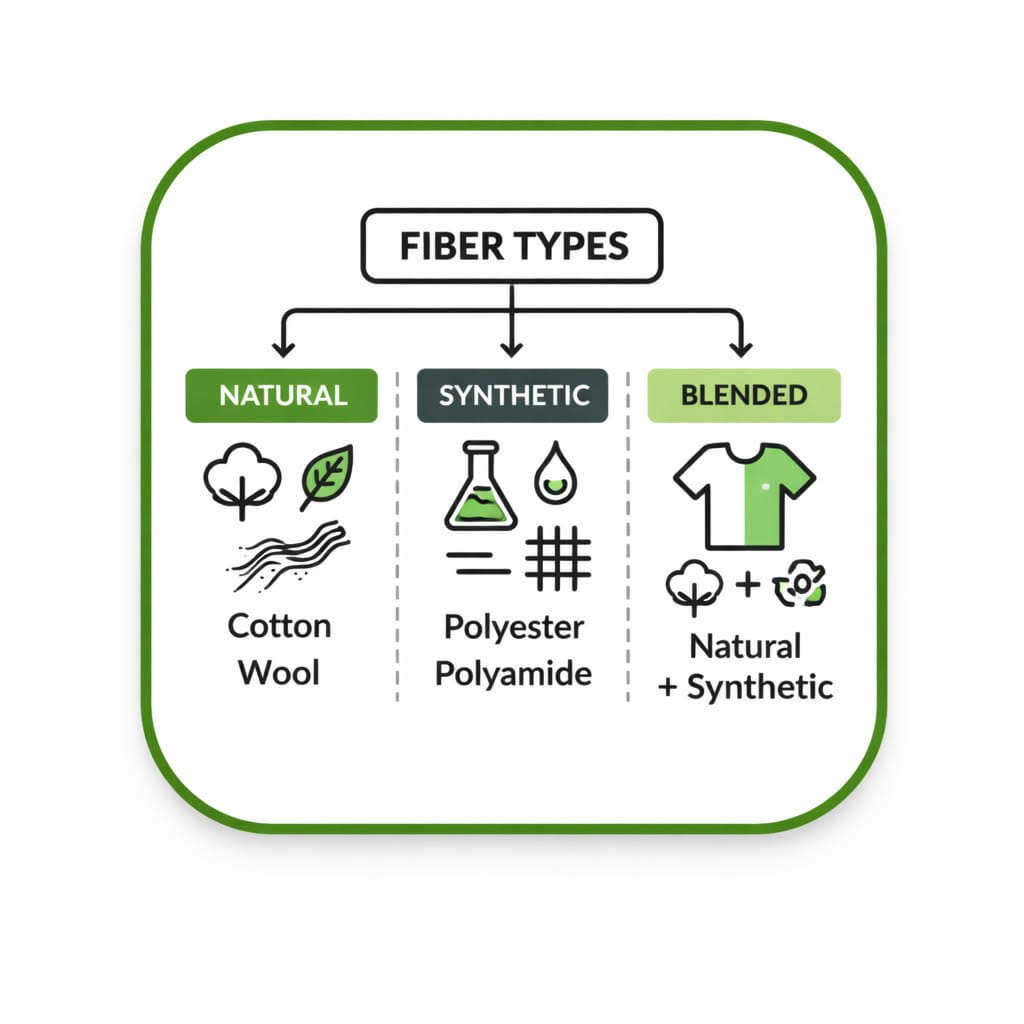
Textiles can be made from:

Natural fibers (cotton, wool, linen)
Synthetic fibers (polyester, nylon, acrylic)
Blended fabrics combining both
Blends increase durability and comfort — but make recycling significantly harder.
Unlike organic waste, synthetic fibers do not biodegrade.
Unlike pure plastic, textiles are often chemically treated and dyed.
Why it grows so quickly
Global clothing production has increased dramatically over the past decades.
Fast fashion, lower prices, and rapid trend cycles shorten the lifespan of garments.
Many textiles are worn fewer times before being discarded.
Increased global consumption means increased textile waste.
Key numbers
These figures show the scale of global textile production and waste. Numbers are rounded for clarity.
Global clothing production has more than doubled since 2000
The average garment is worn ~30–40% fewer times than 15 years ago
The textile industry accounts for ~2–8% of global greenhouse gas emissions
Only ~1% of textiles are recycled into new garments
Millions of tonnes of textiles are landfilled or incinerated annually
Synthetic textiles release microfibers during washing
Why textile waste becomes a problem
Textile waste becomes difficult when materials are mixed, dyed, and chemically treated.
Blended fabrics (for example cotton-polyester) cannot easily be separated back into pure fibers.
Chemical dyes and finishes complicate recycling and can create pollution risks.
When textiles are landfilled, natural fibers decompose and release methane.
When incinerated, synthetic fibers release emissions.
The system is complex — and most garments are not designed for material recovery.
How textile recycling works
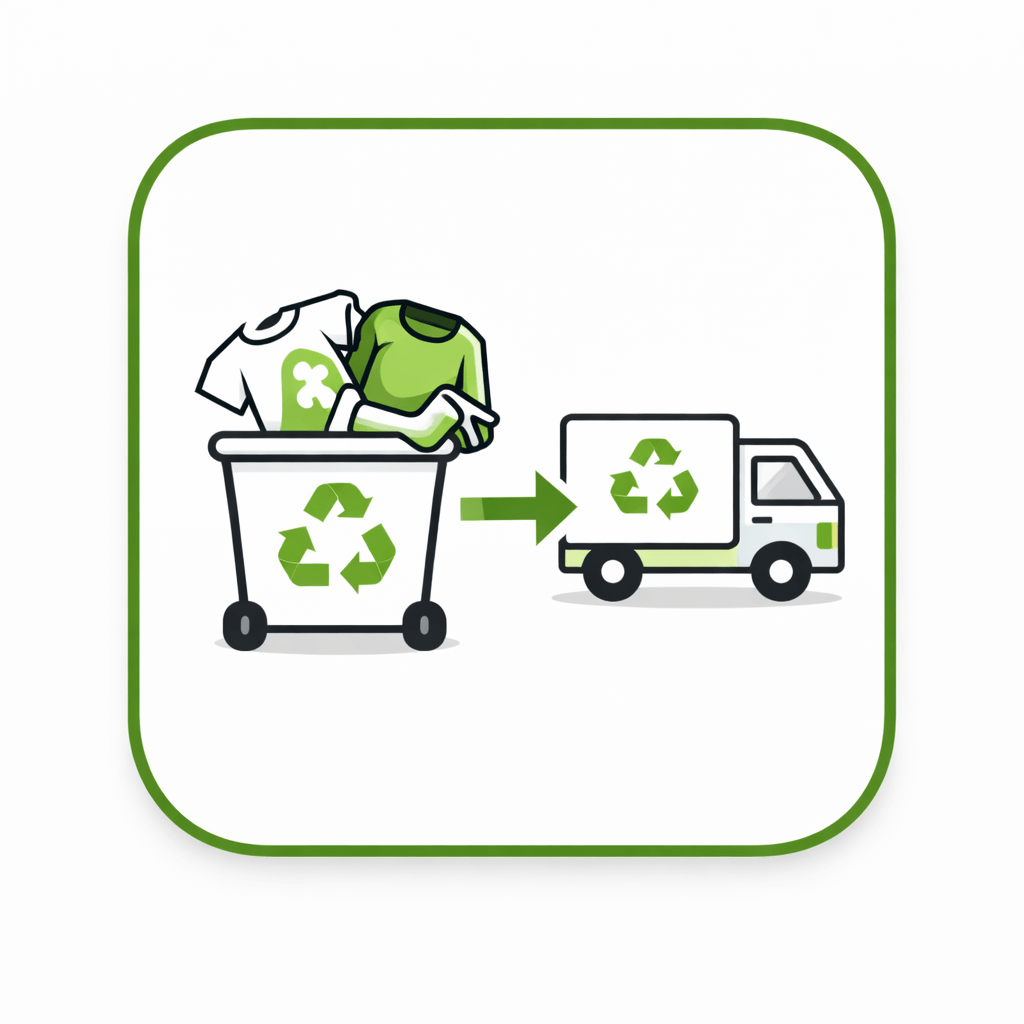
Collection
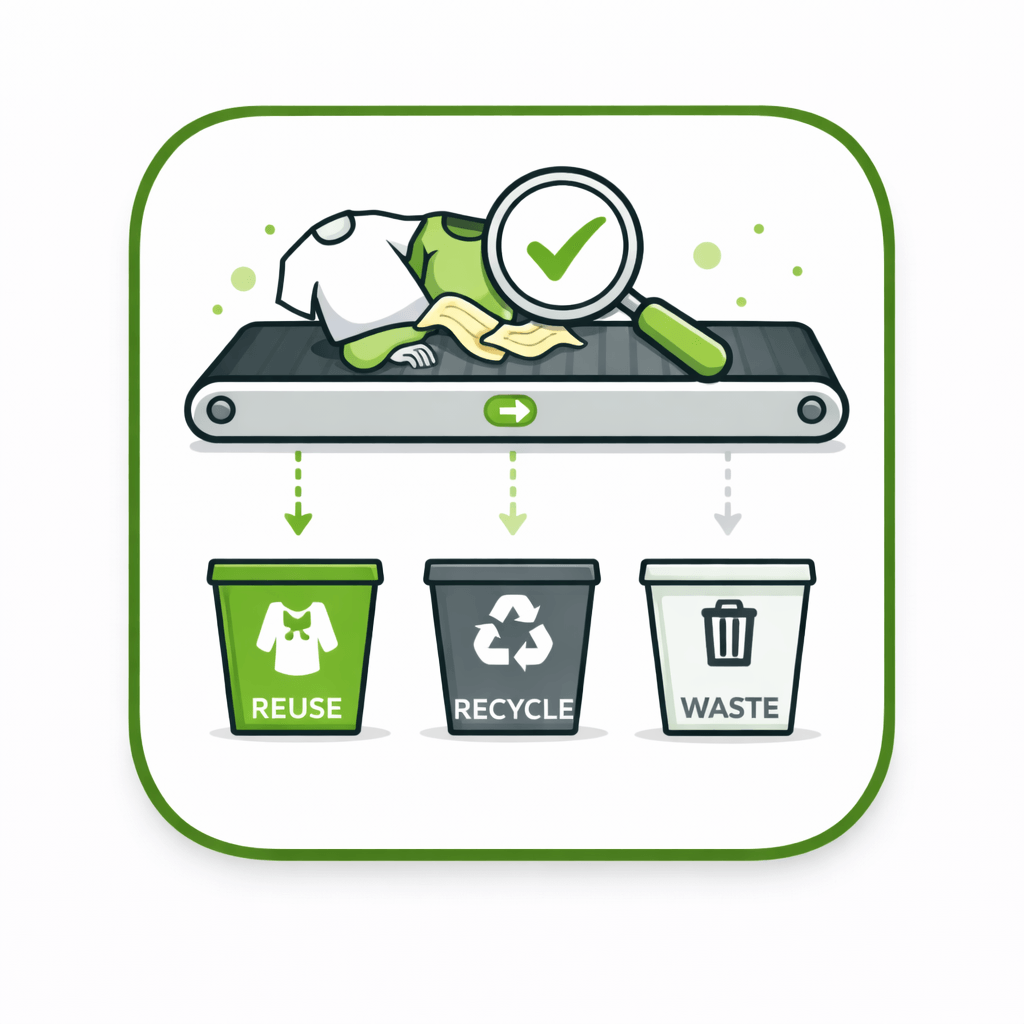
Sorting
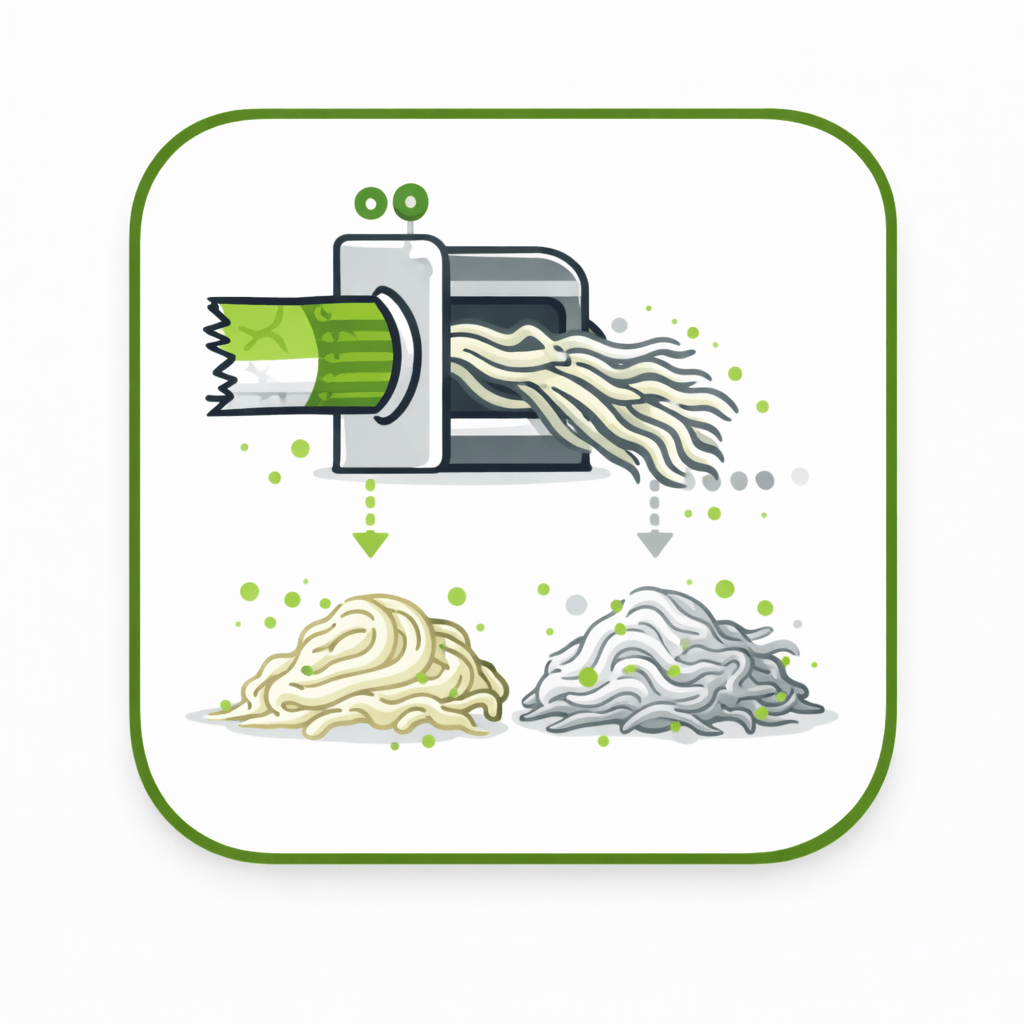
Fiber Separation
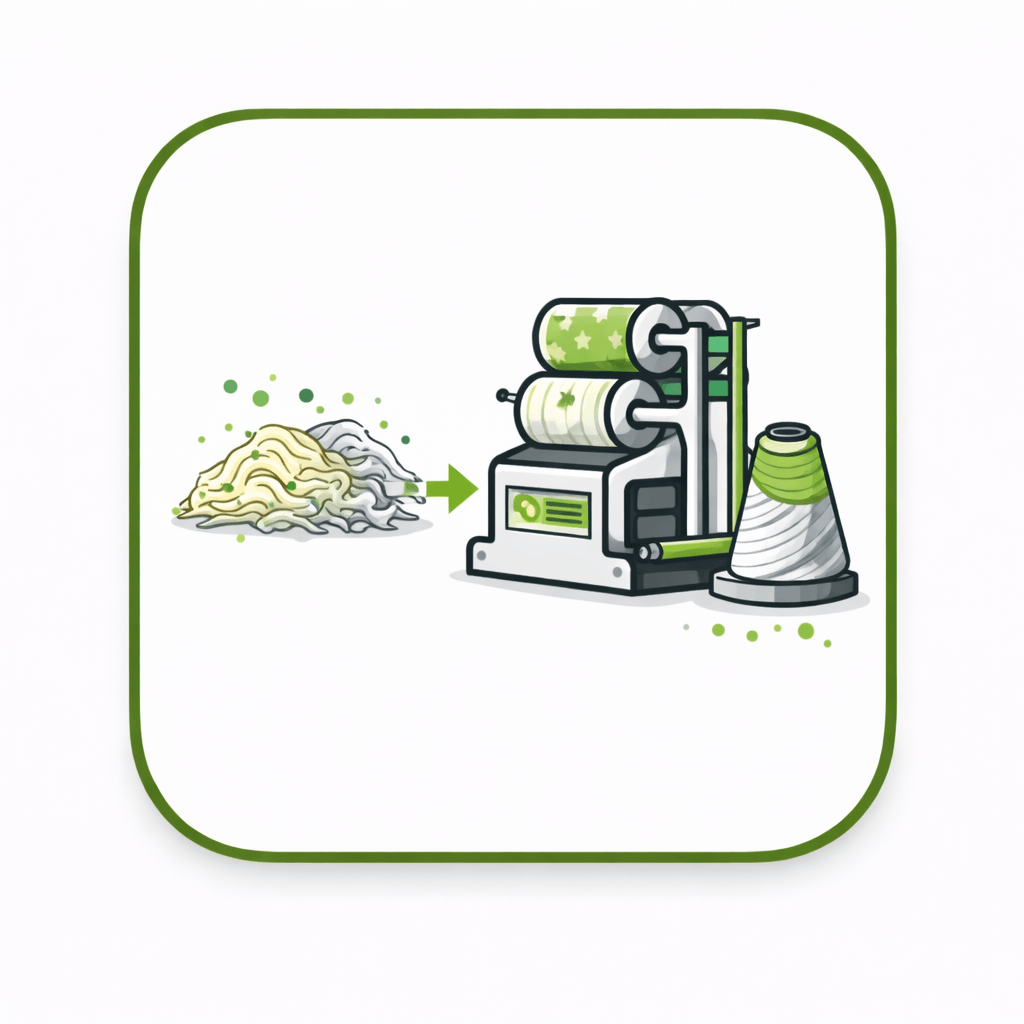
Processing

Manufacturing
Recycling: what works and what doesn’t
What doesn’t work

Donating low-quality clothing without realistic reuse pathways
Assuming “recycled polyester” is fully circular
Mixing synthetic and natural fibers without separation
Designing garments that cannot be repaired
Treating clothing as short-term disposable products
What works better
Extending garment lifespan
Designing for durability and repair
Using single-fiber materials when possible
Improving fiber separation technologies
Reducing overproduction and overconsumption
Teaching & learning resources
Understanding textile waste connects fashion, resource extraction, water use, and global trade.
School of Recycling provides lessons explaining fiber types, production impacts, and how design influences recovery.
Key terms
Natural fibers: plant- or animal-based materials
Synthetic fibers: plastic-based materials derived from fossil fuels
Blended fabrics: mixtures of different fiber types
Microfibers: tiny synthetic threads released during washing
Circular textile design: garments built for repair and material recovery