E-WASTE
What it is, why it grows, and what happens when systems fail
Electronic waste is the fastest-growing waste stream in the world.
It contains valuable materials — and hazardous substances — in complex combinations.
This page explains what e-waste is, why it increases each year, what the data shows, and why recovery is difficult.
What e-waste is
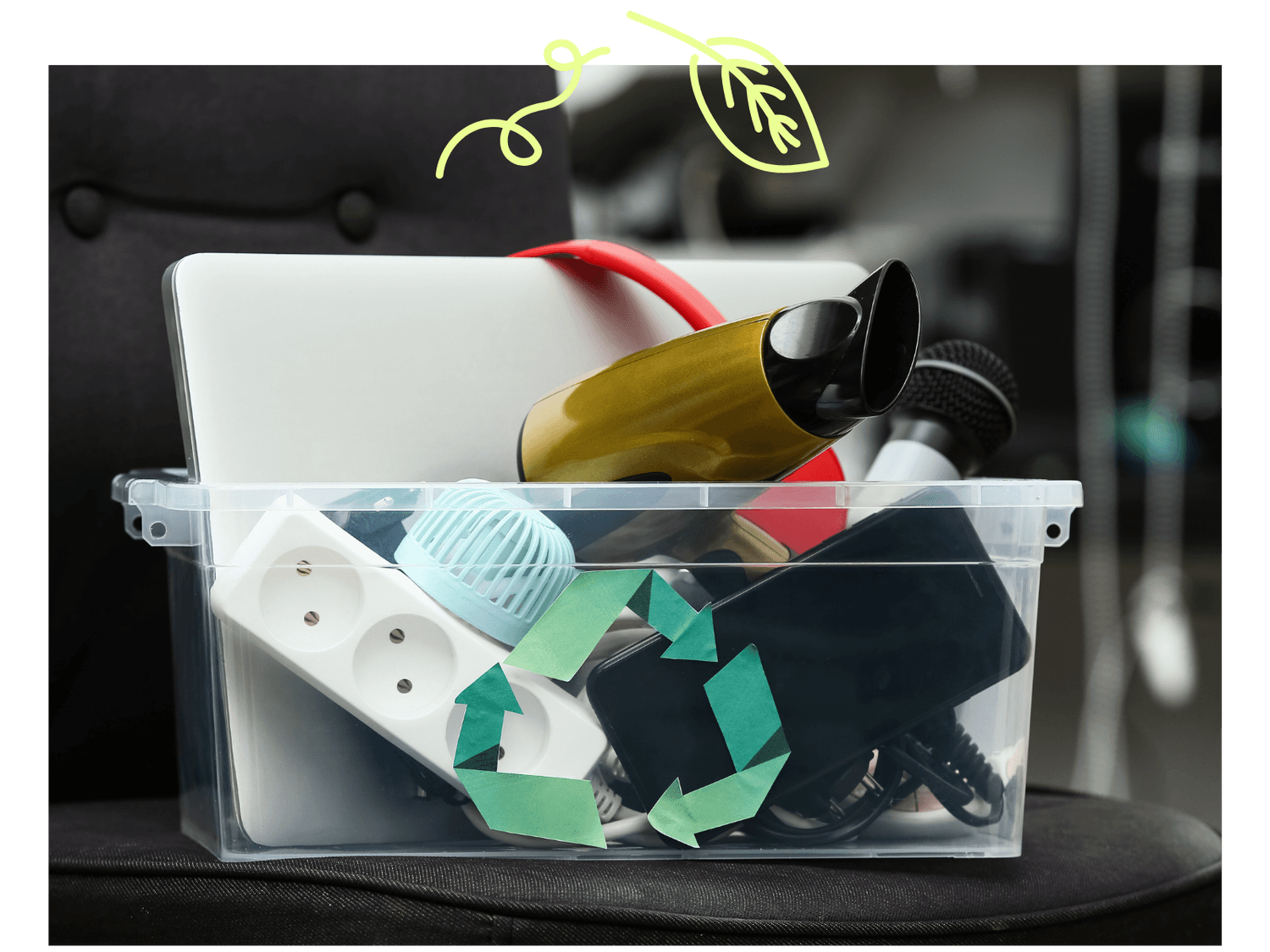
E-waste includes discarded electronic devices and electrical equipment.
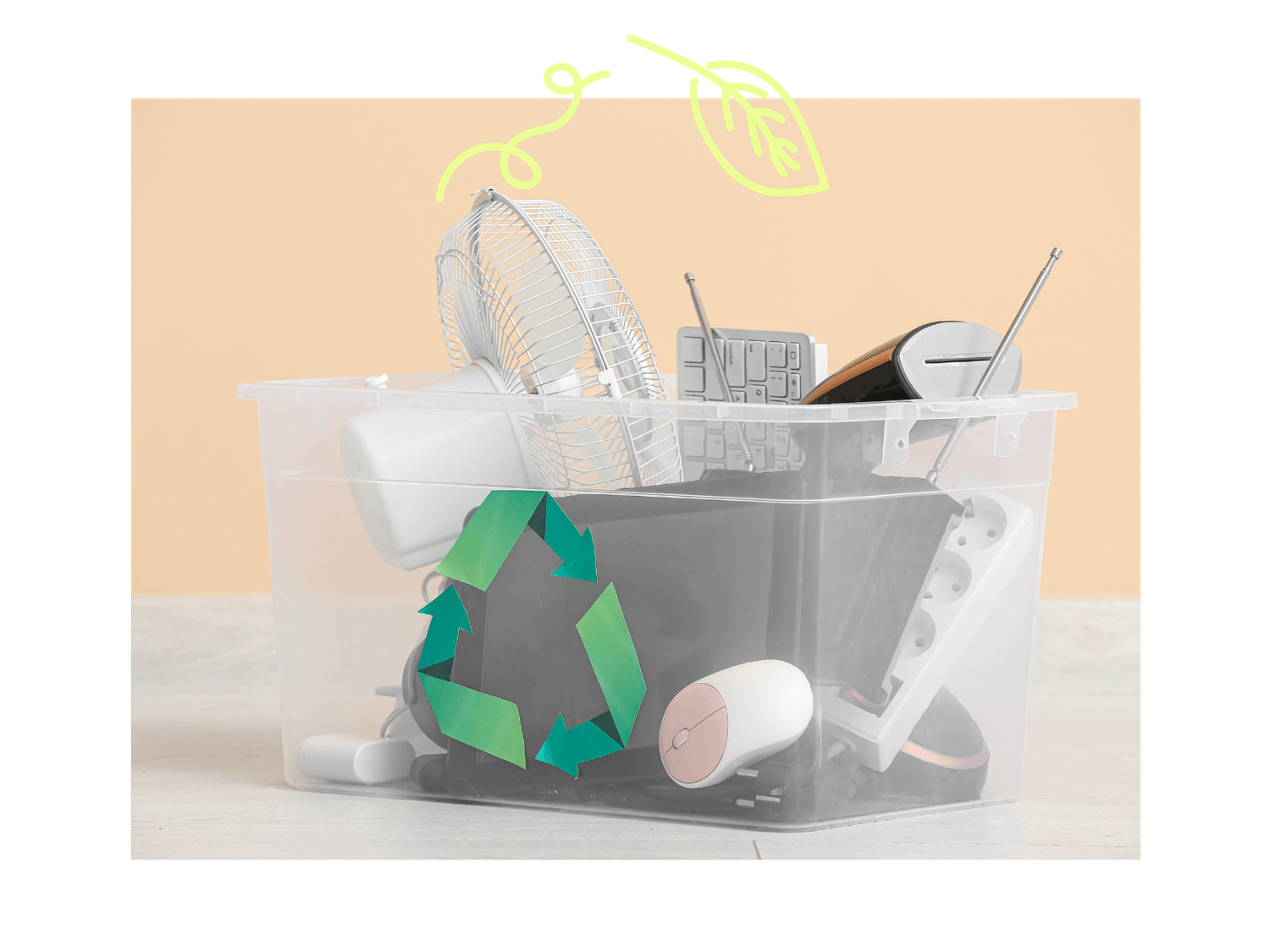
Examples include phones, laptops, televisions, refrigerators, batteries, cables, and circuit boards.
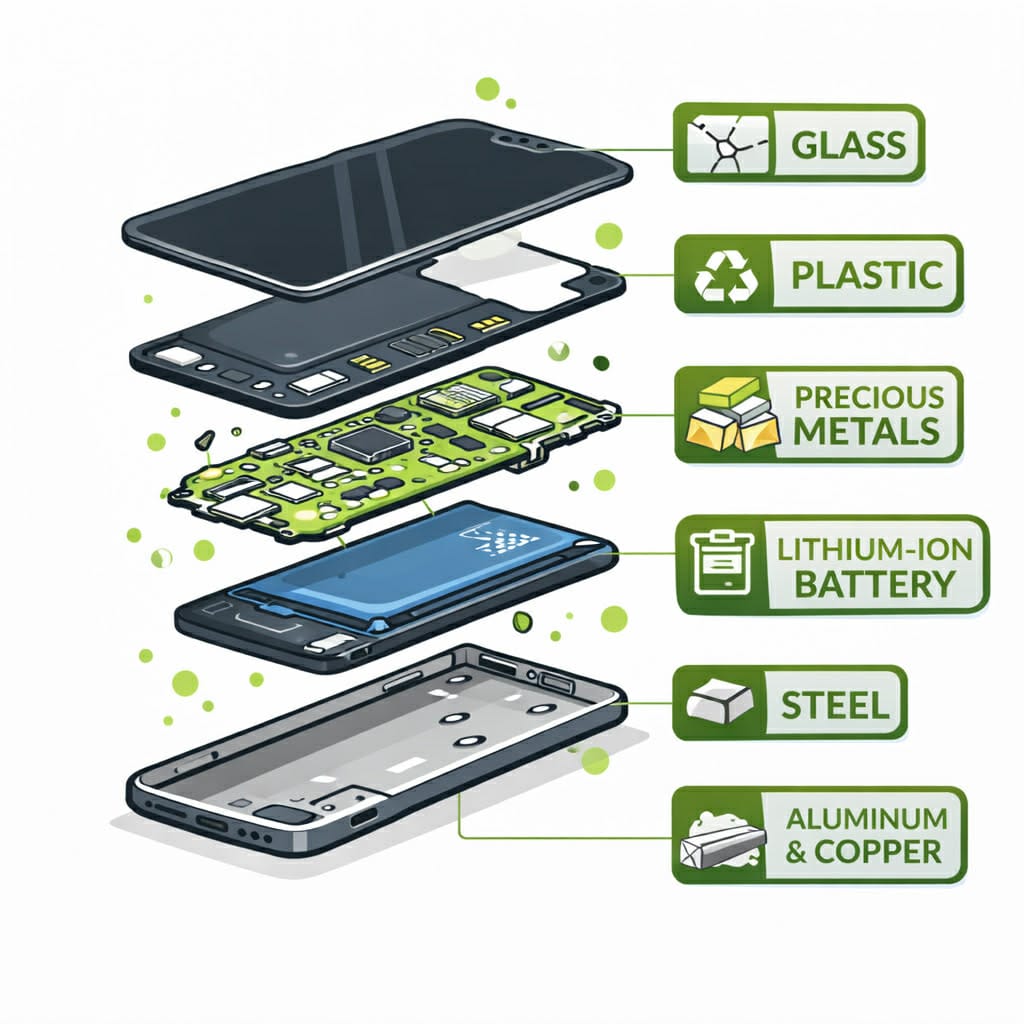
Unlike plastic or organic waste, e-waste is not one material.
It is a complex mix of metals, plastics, glass, rare earth elements, and chemical components.
This complexity makes recovery technically possible — but operationally challenging.
Why it grows so quickly
Modern economies depend on electronics.
Devices become smaller, more powerful, and more affordable. At the same time, product life cycles become shorter.
Replacement often happens because of:

Design changes
Software limitations
Repair difficulty
Consumer demand
As production increases globally, so does disposal.
Key numbers
These figures show the scale of global e-waste. Numbers are rounded for clarity.
60 million tonnes of e-waste generated globally each year
E-waste is the fastest-growing waste stream worldwide
Only ~20% formally collected and recycled
E-waste contains valuable metals worth billions of dollars annually
Small devices often contain 40+ different elements
Average smartphone lifespan: ~2–3 years
Why e-Waste becomes a problem
E-waste does not break down like organic waste.
It contains both recoverable materials and hazardous components.
When improperly handled, e-waste can release heavy metals and toxic substances into soil, air, and water.
Manual dismantling
Specialized separation technology
Controlled chemical processes
If any step fails, materials are lost — and risks increase.
How e-waste recycling works
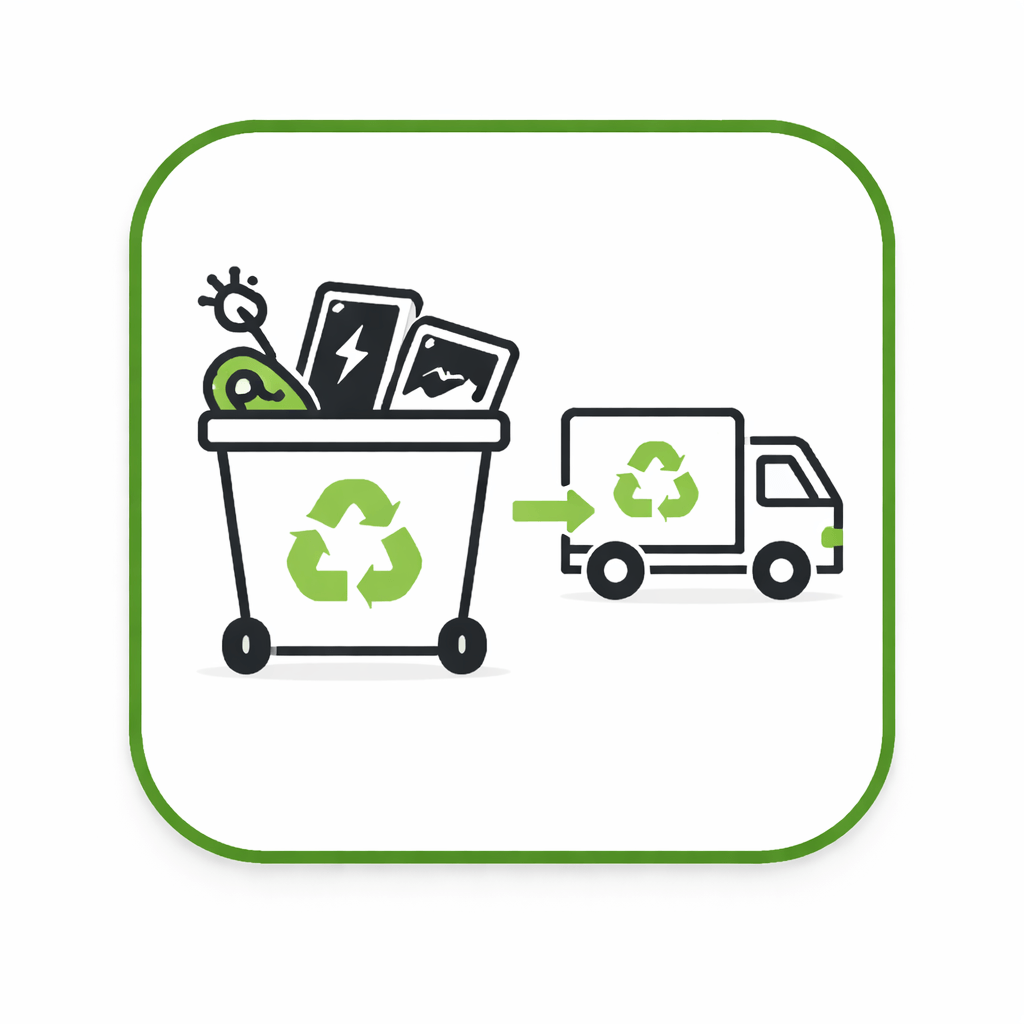
Collection
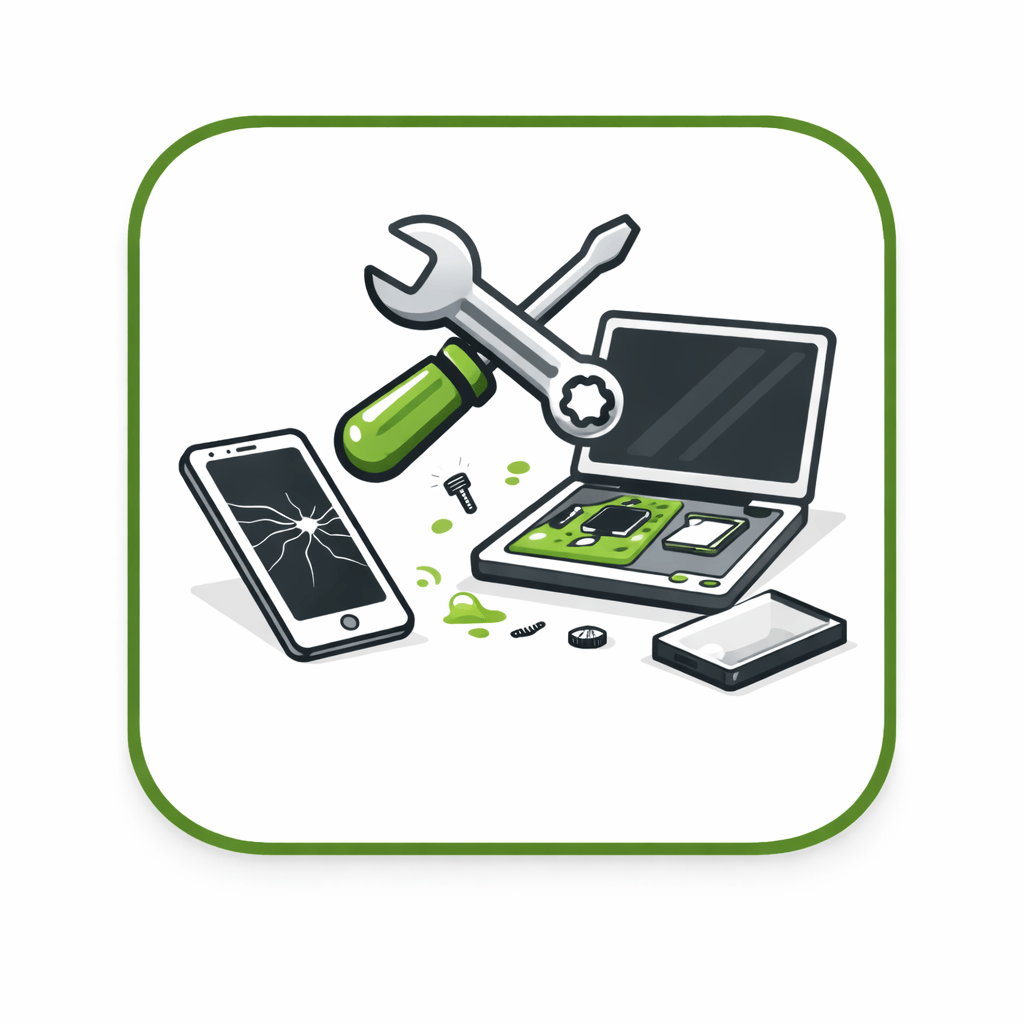
Dismantling
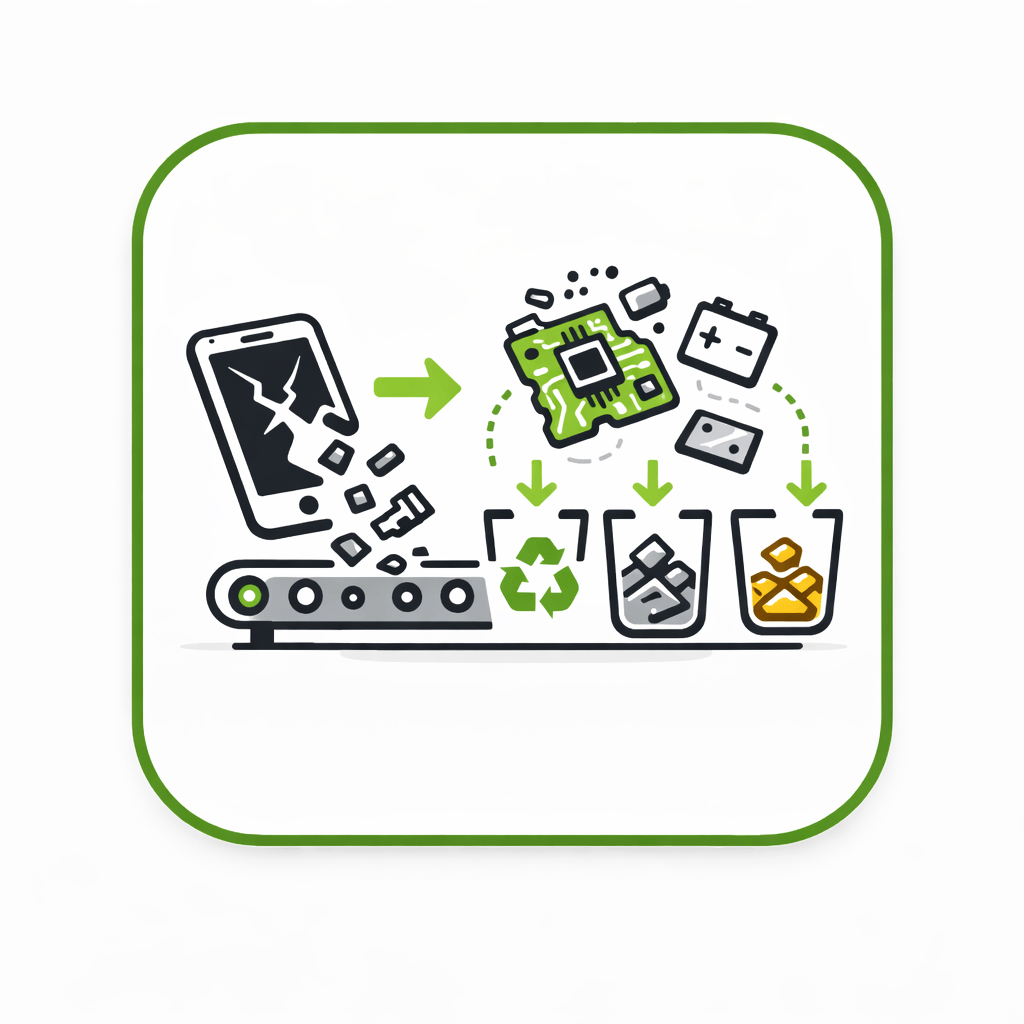
Material Separation
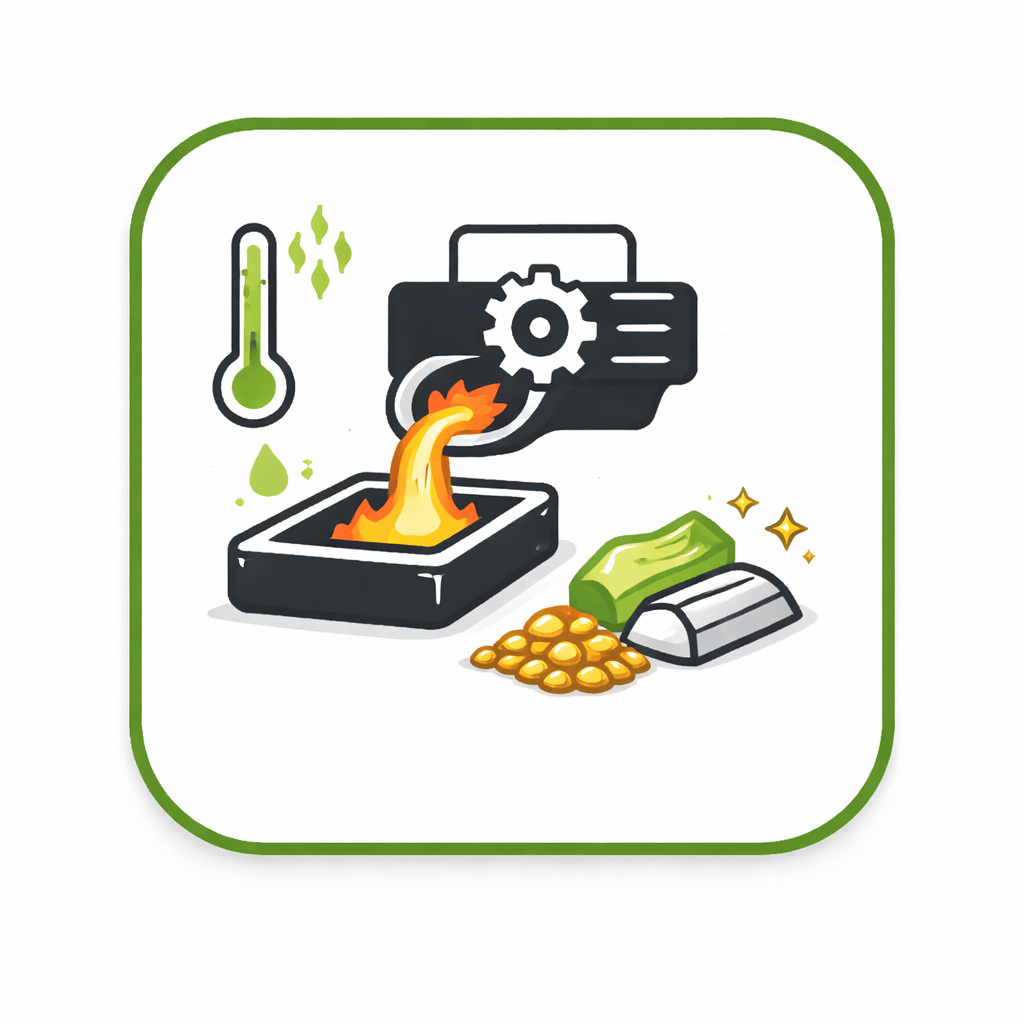
Refining
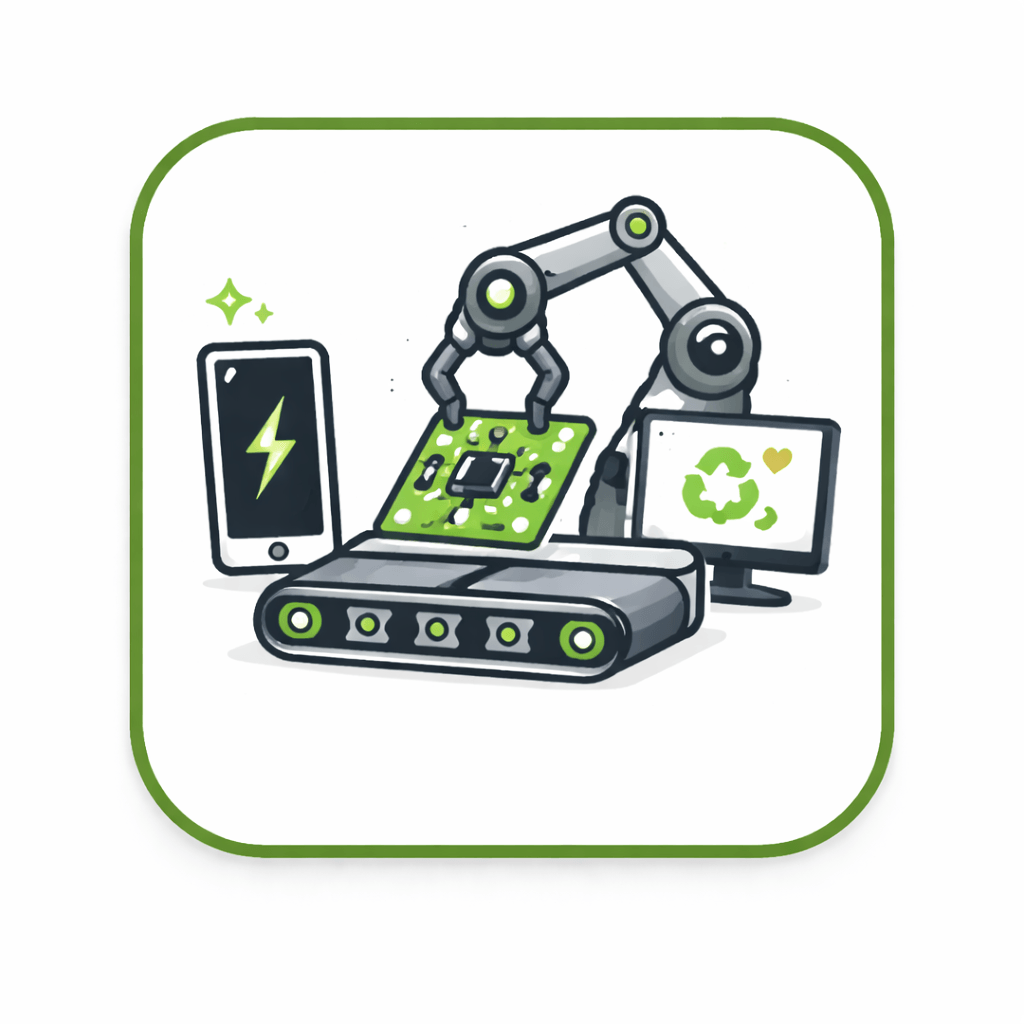
Manufacturing
Recycling: what works and what doesn’t
What doesn’t work

Disposing electronics in general waste
Informal dismantling without safety controls
Assuming donation always solves disposal
Designing products that cannot be repaired
Ignoring battery and hazardous material handling
What works better
Extending product lifespan
Designing for repairability
Formal collection systems
Safe material recovery processes
Recovering critical metals for reuse
Teaching & learning resources
Understanding e-waste helps connect technology, resource extraction, and global trade.
School of Recycling provides lessons explaining how devices are built, why recovery is complex, and how circular design differs from linear consumption.
Key terms
Critical metals: rare materials essential for electronics
Informal recycling: uncontrolled dismantling practices
Circular design: products built for recovery and reuse
Hazardous substances: toxic components requiring safe handling
Product lifespan: time a device remains functional