About School of Recycling
School of Recycling exists to explain how waste systems actually work. Not through simplified slogans, but through clear, age-appropriate explanations that respect students’ ability to think.
We are proud members of:

Why this exists
Most waste education focuses on what people should do, without explaining how systems really function.
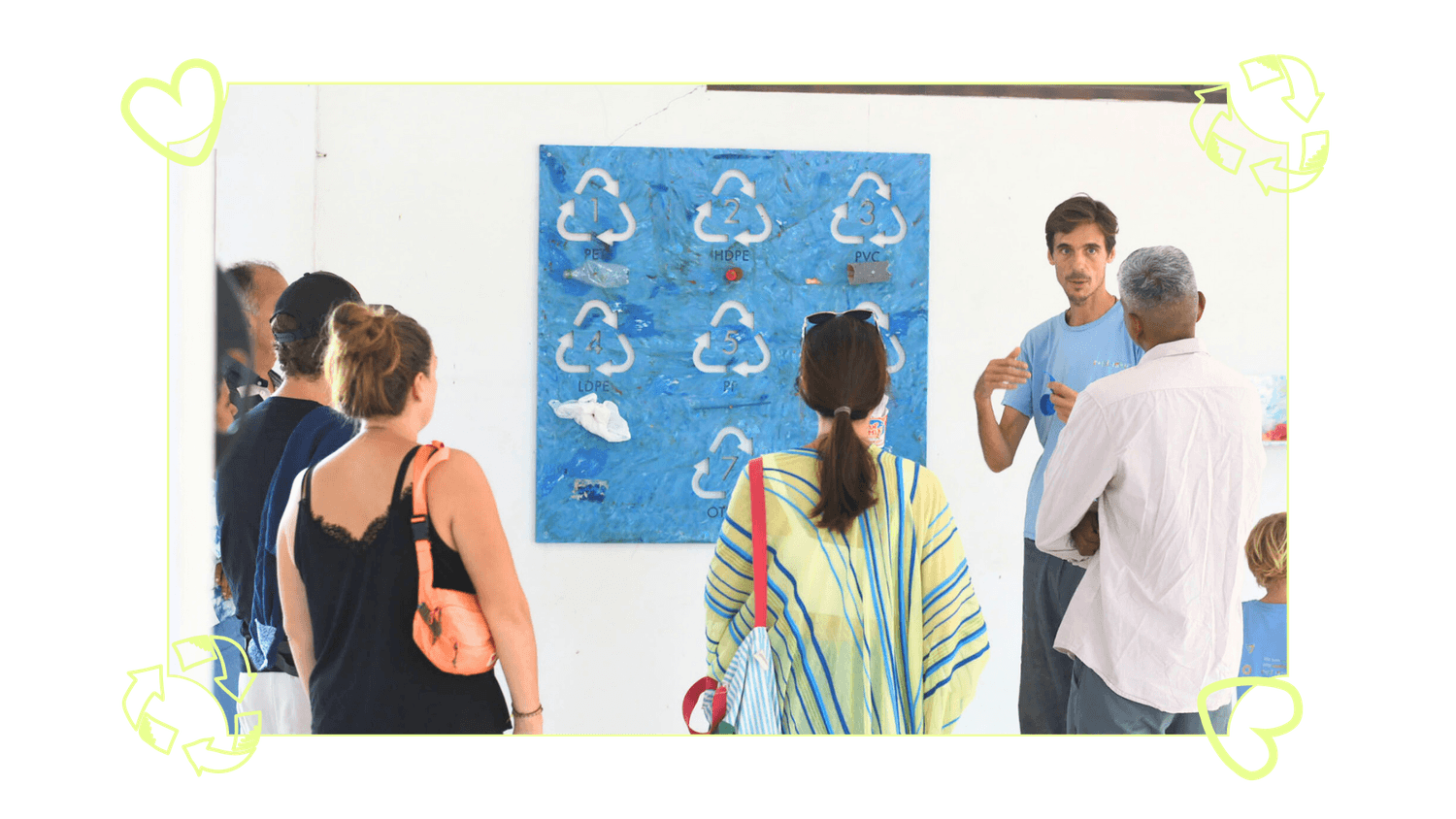
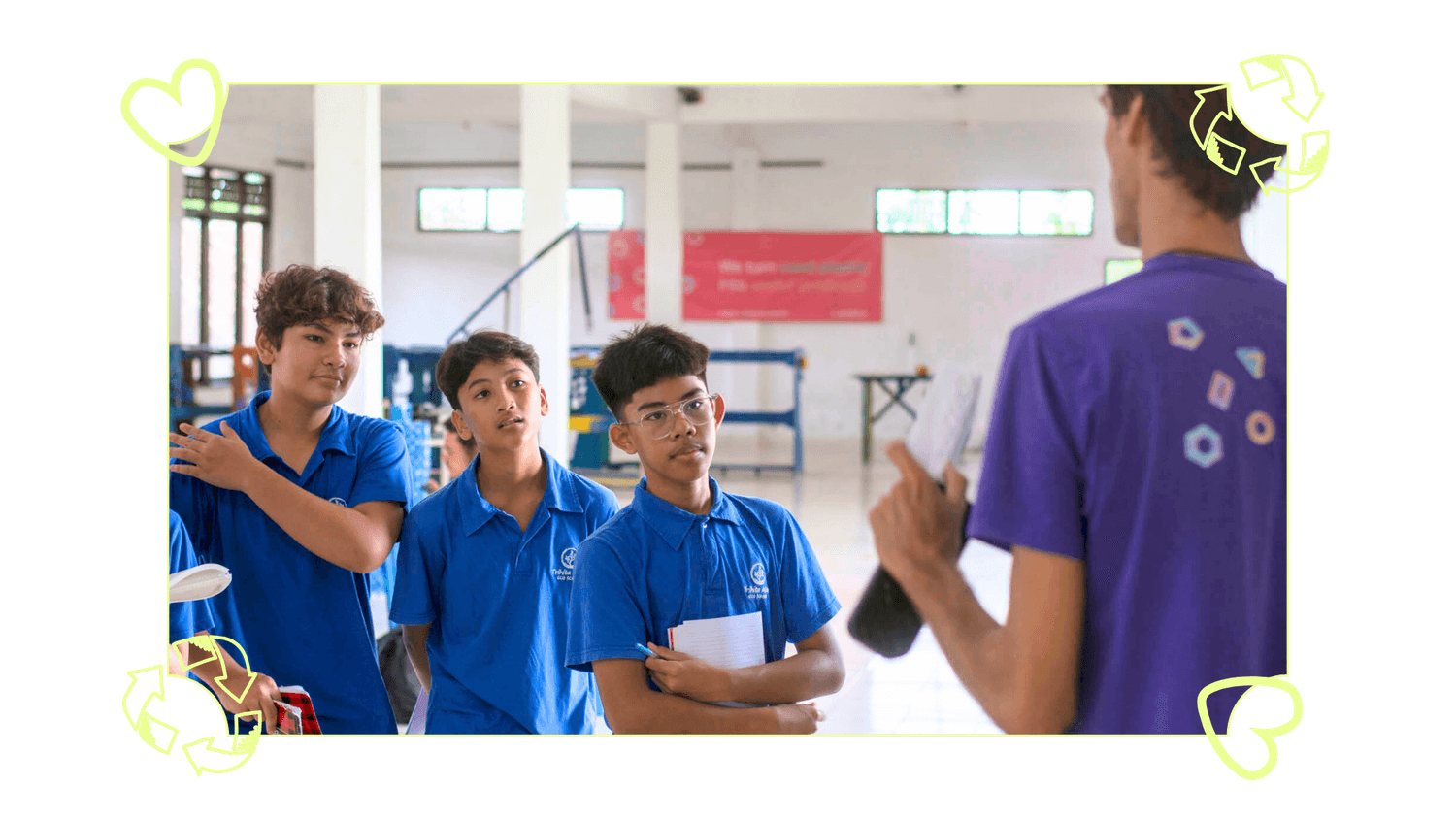
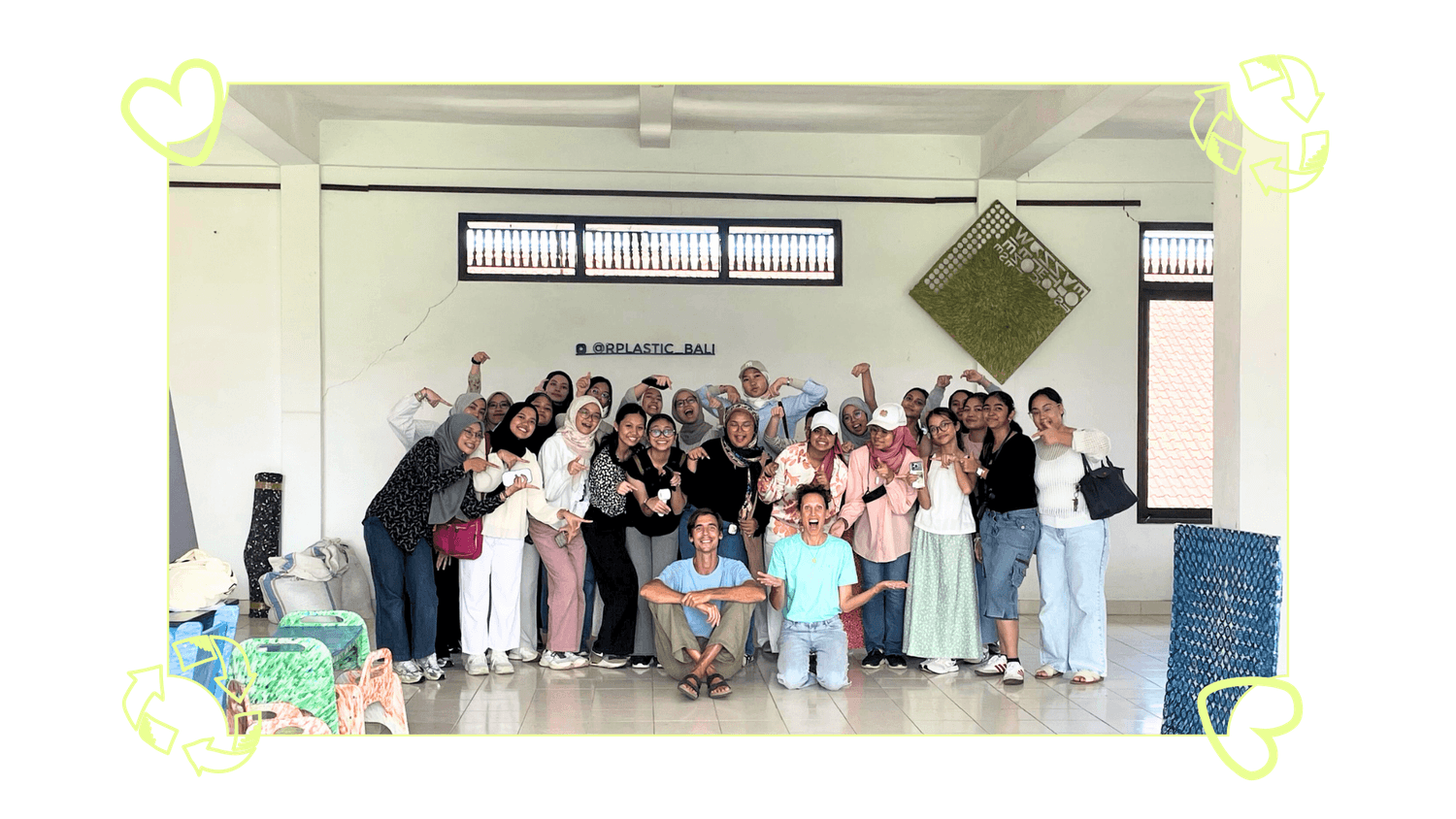
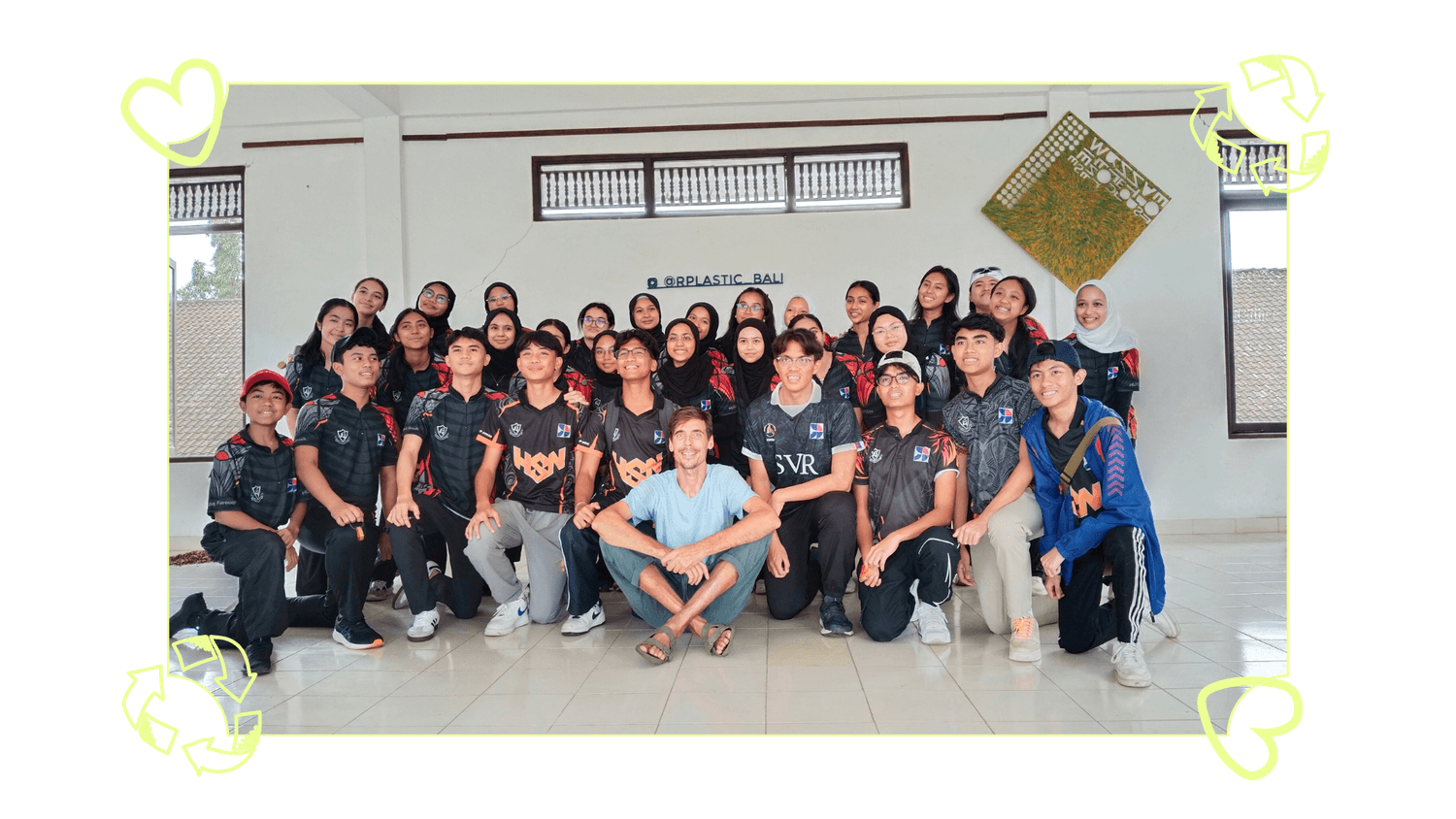
That gap became clear through hands-on work in a recycling factory in Bali and by welcoming school classes for on-site field trips. While working directly with students, the same questions kept coming up — questions about materials, processes, and limits that were rarely answered clearly elsewhere.
School of Recycling was created to make those explanations accessible, structured, and age-appropriate — beyond physical visits and one-off workshops.
No blame. No shortcuts. Just understanding.

Start with how systems work
Explain trade-offs instead of giving simple answers
Adapt explanations to different age groups
Focus on understanding, not rules
Our approach
Start with how systems work
Explain trade-offs instead of giving simple answers
Adapt explanations to different age groups
Focus on understanding, not rules
Advisory board
School of Recycling is guided by an independent advisory board with experience in energy, materials, infrastructure, education, and systems development.
The board supports strategic direction, content integrity, and long-term development — while the platform remains editorially independent.
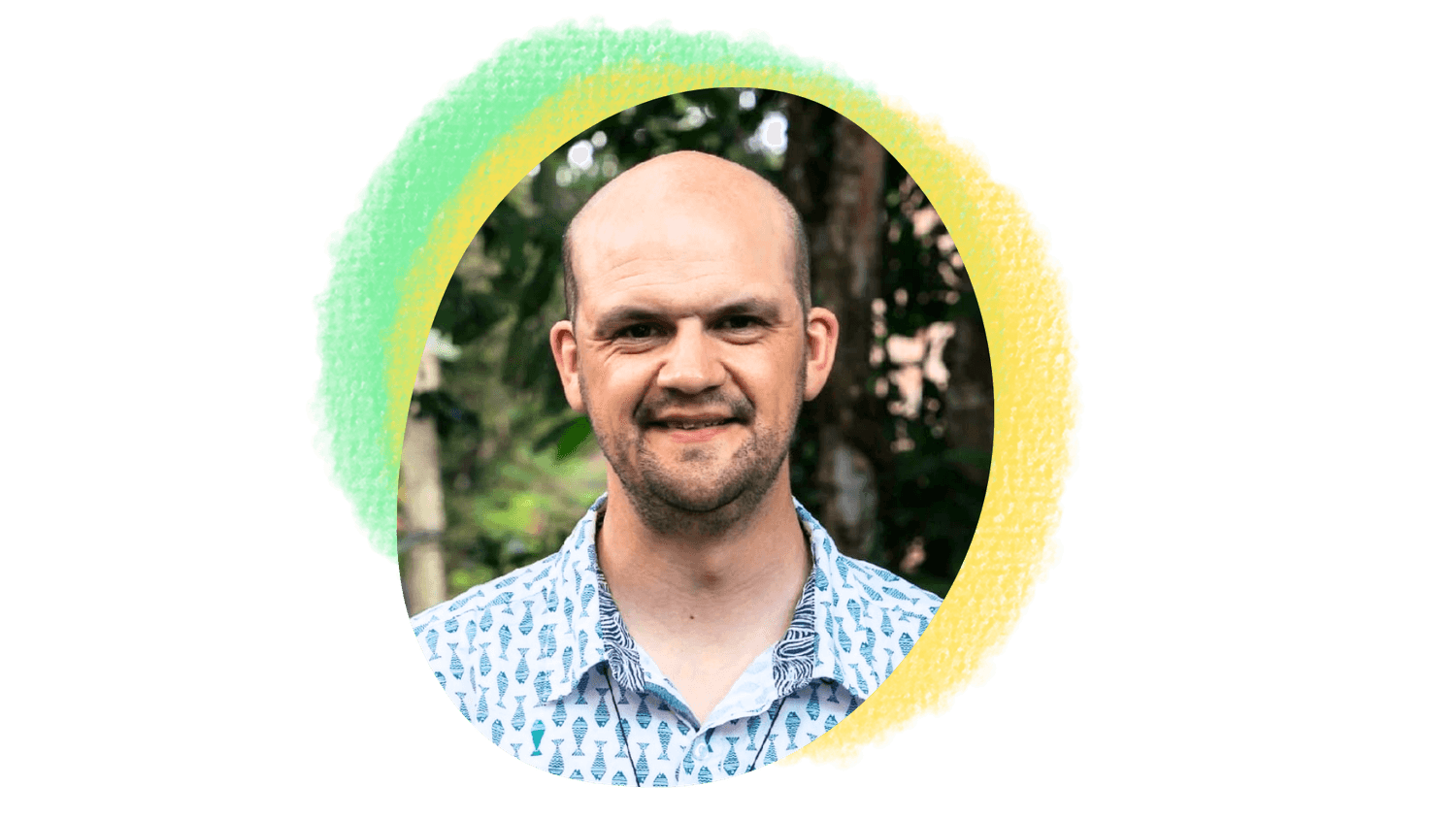
Edd Moore
Advisor – Education & Environmental Leadership
Edd Moore is a primary school teacher and award-winning eco-coordinator with extensive experience embedding environmental education into whole-school practice. He has led nationally recognised sustainability initiatives, achieved multiple Eco Schools Green Flag distinctions, and received the Foundation for Environmental Education Teacher Award (2024) and Coronation Champion recognition (2023).
Edd advises School of Recycling on curriculum integration, age-appropriate delivery, and translating environmental literacy into practical classroom implementation.
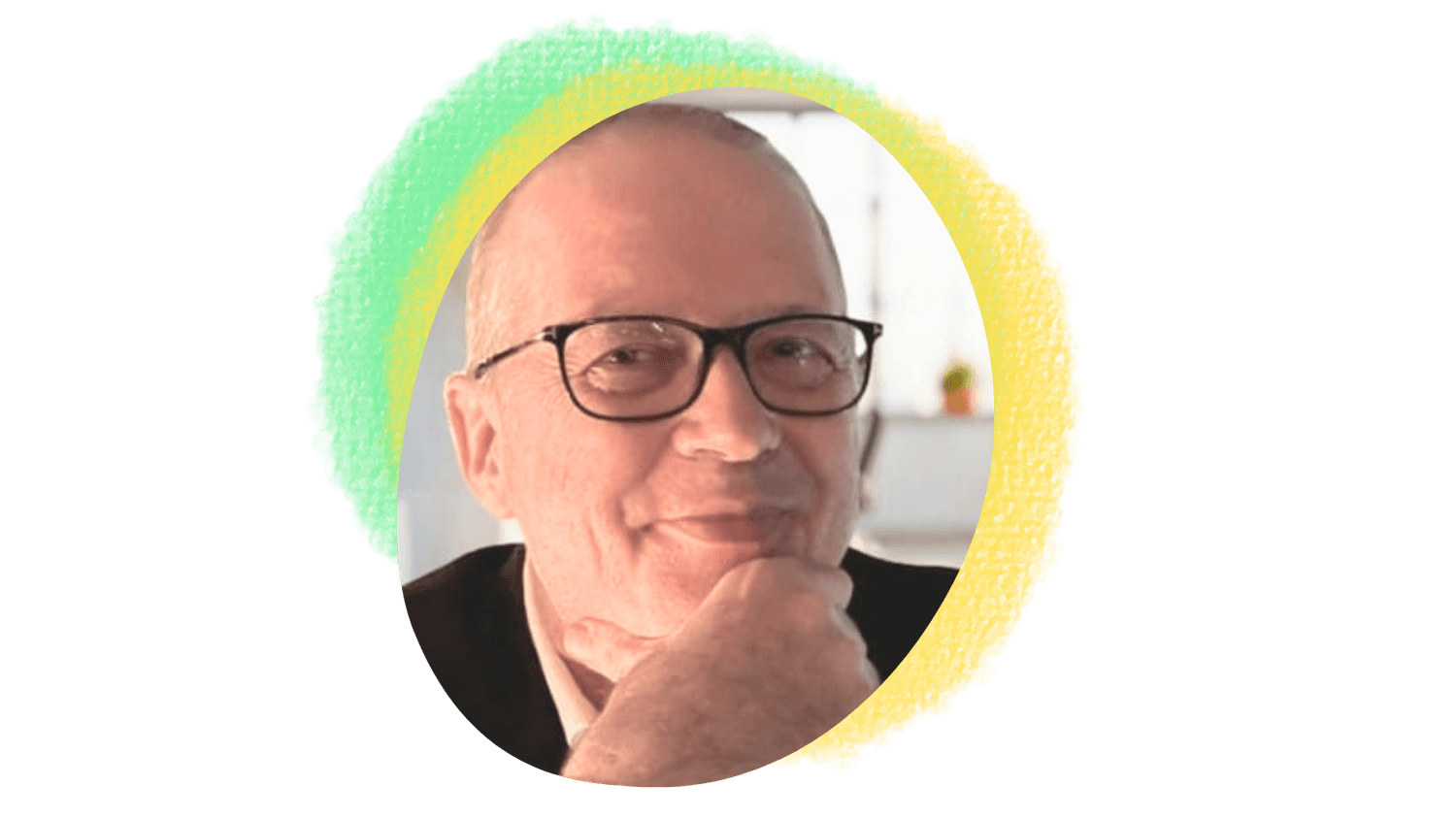
Bruno Zysman
Advisor – Systems & Industry
Bruno Zysman is a technology entrepreneur with more than 30 years of leadership experience across data systems, retail technologies, and fintech. He is the CEO of wwwaste Pte Ltd, where he leads the development of wwwaste.io — a SaaS platform digitising waste management through real-time operational dashboards and AI-supported tools. He advises School of Recycling on digital waste infrastructure, industrial system design, and how technology shapes modern waste management processes. His perspective supports the platform’s focus on explaining how real-world systems function at scale.

Robert Mandjes
Advisor – Strategic Growth & Infrastructure Advisor
Robert Mandjes is an energy executive with over two decades of leadership experience across geothermal, oil, and gas operations. He is the founder of Canistra, a renewable energy services firm focused on driving international geothermal growth by connecting the right people and technology.
Robert advises School of Recycling on strategic growth, organisational infrastructure, and the commercial frameworks needed to scale an education platform into new markets. His experience building partnerships across the global energy sector informs the platform's long-term development and impact strategy.
How it started
School of Recycling grew out of years of hands-on work with waste, recycling systems, and education.
While working directly with recycled materials and hosting school visits, it became clear that many questions students asked were not being answered elsewhere.
The platform was created to make those explanations accessible — beyond physical workshops and classrooms.
School of Recycling is designed for:
Families learning together at home
Teachers looking for structured, usable materials
Schools teaching sustainability, science, or system thinking
Organisations that want to offer something meaningfull
Plastic is a useful starting point because it sits at the intersection of material science, consumption, infrastructure, and waste.
Understanding plastic helps students understand much larger systems. Which is why it is the first topic School of Recycling covers.
School of Recycling is designed for:
Families learning together at home
Teachers looking for structured, usable materials
Schools teaching sustainability, science, or system thinking
Organisations that want to offer something meaningfull
Plastic is a useful starting point because it sits at the intersection of material science, consumption, infrastructure, and waste.
Understanding plastic helps students understand much larger systems.
Which is why it is the first topic School of Recycling covers.
Learn more
To see how this approach is applied in practice, start with the available courses.