Plastic
What it is, why we use it, and why it becomes waste
Plastic is one of the most widely used materials on Earth.
It makes modern life cheaper, lighter, and safer — but it also creates long-lasting waste when systems fail.
This page explains what plastic is, why it is used, what the data shows, and why recycling has clear limits.
What plastic is
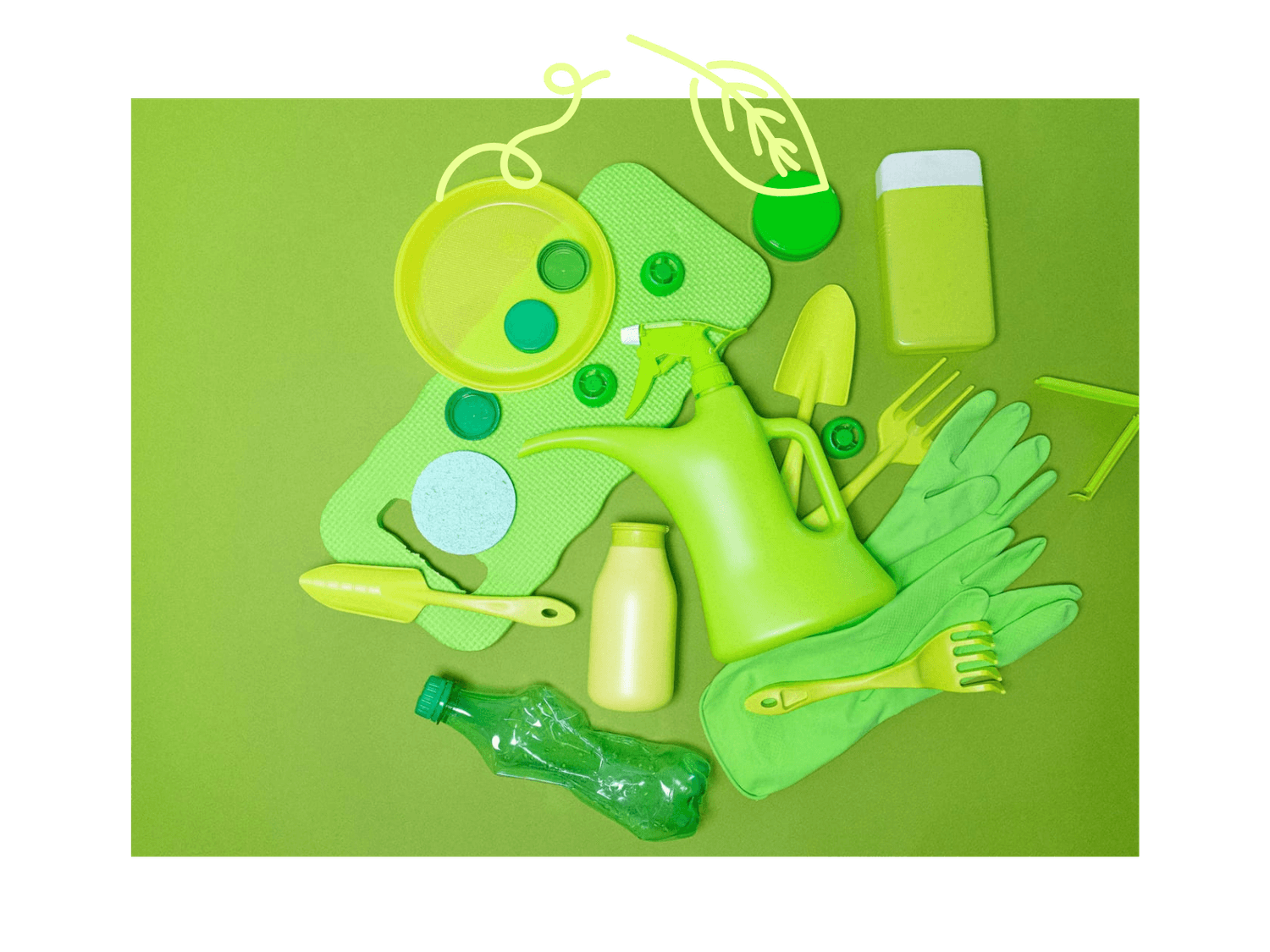
Plastic is not one material. It is a family of materials called polymers, made mainly from fossil fuel feedstocks and chemical additives.
Different plastics are designed for different purposes. Some are rigid, some flexible, some transparent, some heat-resistant. What they all share is durability: plastic is designed to keep its shape and properties for a very long time.
This durability is what makes plastic useful — and what makes plastic waste difficult to deal with.
Why we use plastic
Plastic is used at large scale because it solves real problems.
It is lightweight, strong, inexpensive, hygienic, and easy to shape. Plastic protects food, reduces transport weight, enables medical safety, and allows products to be mass-produced.
The same properties that make plastic useful also make it persistent when it becomes waste.
Benefits and trade-offs

Lightweight → lower transport emissions
Durable → long-lasting products
Cheap → high consumption
Hygienic → high single-use volumes
Key numbers
These figures give a sense of scale. Numbers are rounded to show order of magnitude, not exact precision.
400 million tonnes of plastic produced globally each year
36-40% used for packaging
Minutes of use, decades to centuries of persistence
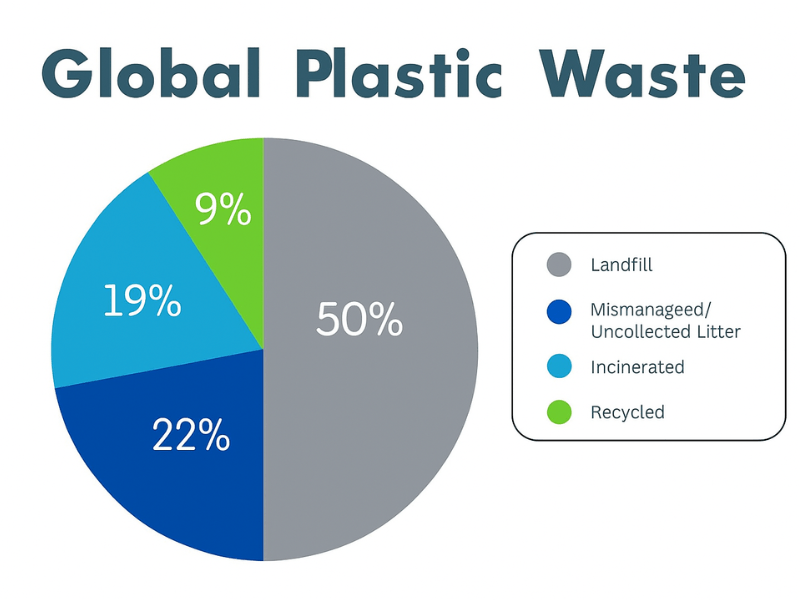
Only 9% recycled globally
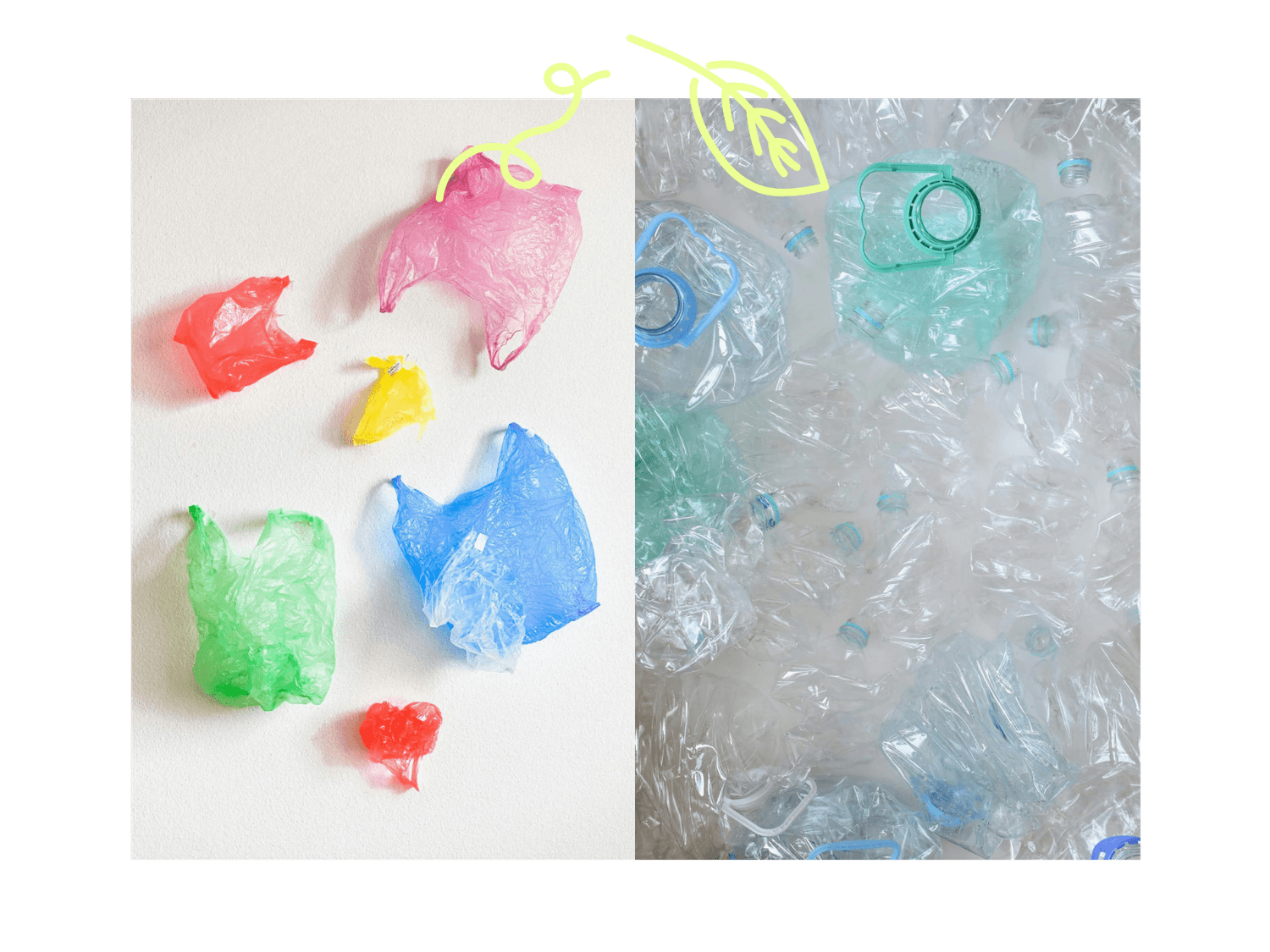
The rest is burned, landfilled, or leaked into the environment
40% of plastic is used once and discarded
400 million tonnes of plastic every year ≈ the weight of about 1,000 Empire State Buildings
Why plastic becomes waste
Plastic does not become waste because people don’t care.
It becomes waste when systems are not designed to handle it.
Plastic recycling depends on clean, separated, and consistent material streams. In reality, plastics are often mixed, contaminated, or made of multiple materials that cannot be processed together.
Collection does not equal recycling. If sorting, washing, processing, or end-markets fail, plastic exits the system.
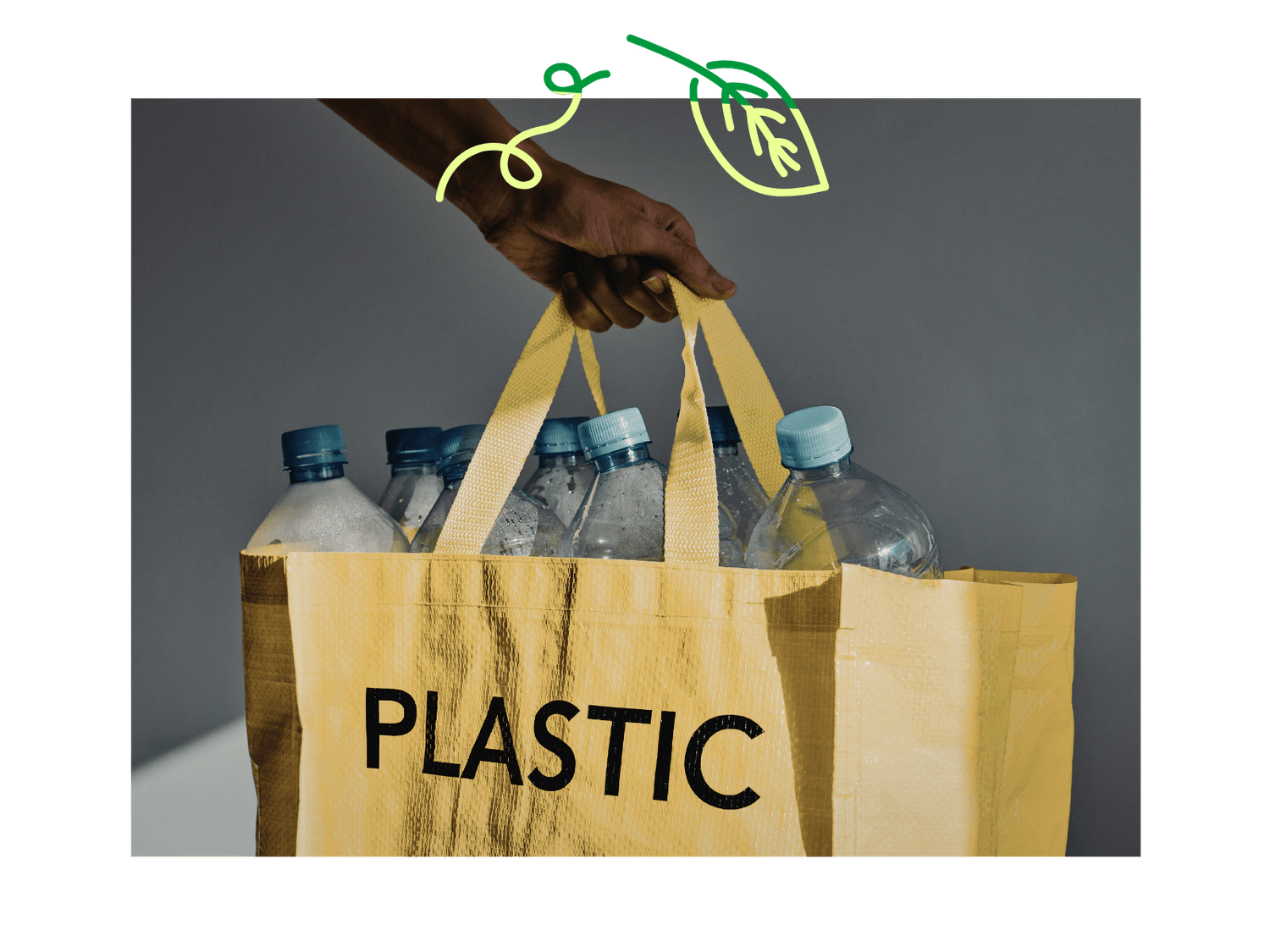
How plastic recycling works
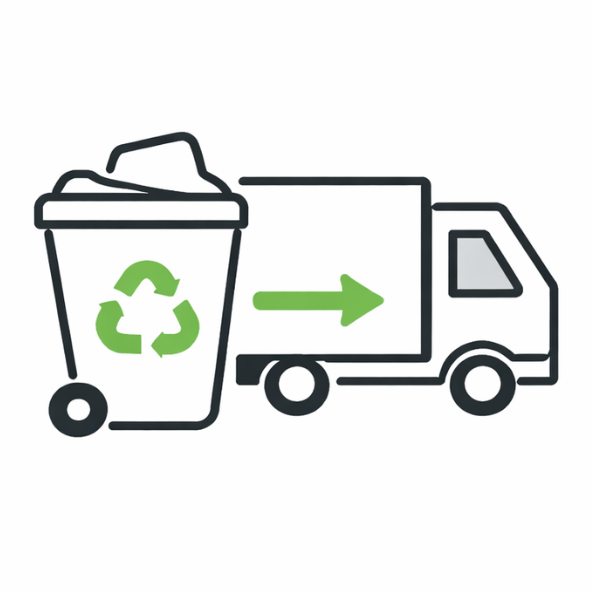
Collection
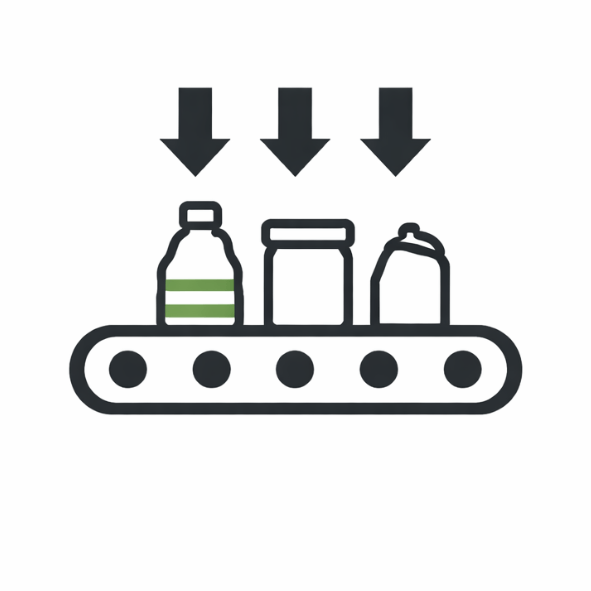
Sorting
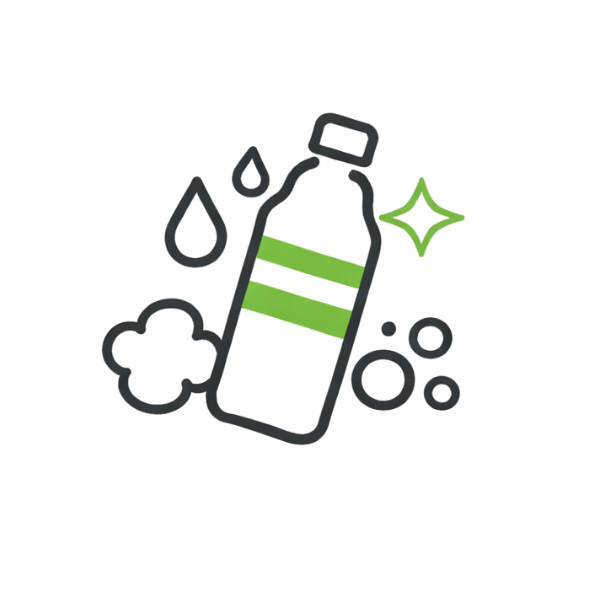
Cleaning

Processing
Manufacturing
Market & use
Recycling: what works and what doesn’t
What doesn’t work

Putting mixed or dirty plastic in a recycling bin
Assuming all plastics can be recycled
Relying on labels without understanding materials
Treating recycling as a fully circular solution
Exporting plastic waste without knowing the outcome
What works better

Reducing unnecessary plastic use
Reusing durable plastic products
Designing products from a single plastic type
Collecting clean, separated streams
Having real local processing and end-markets
Teaching & learning resources
Understanding plastic helps people make better decisions — at home, in schools, and in policy.
School of Recycling provides age-appropriate lessons, worksheets, and experiments that explain plastic in a practical, non-ideological way.