ORGANIC WASTE
What it is, why it matters, and how it returns to the system
Organic waste behaves very differently from plastic.
It is natural, biodegradable, and part of biological cycles — but when systems fail, it creates environmental and climate problems.
This page explains what organic waste is, where it comes from, what the data shows, and why proper separation matters.
On this page
Why we produce so much of it
Key numbers
Why organic waste becomes a problem
What works and what doesn’t
Teaching & learning resources
What organic waste is
Organic waste comes from living or once-living material.
It includes food scraps, garden waste, agricultural residues, and other biodegradable materials.
Unlike plastic, organic materials break down naturally through biological processes involving microorganisms, oxygen, and moisture.
When managed properly, organic waste can return nutrients to soil.
When unmanaged, it produces methane — a powerful greenhouse gas.
Why we produce so much of it
Modern food systems generate large volumes of organic waste.
Loss occurs during harvesting, transport, retail, and at home. Urban lifestyles, oversized portions, and inefficient supply chains increase the volume.

Organic waste is often mixed with general waste, preventing proper treatment.

Food systems and waste
Large-scale agriculture
Global transport chains
Retail standards
Household waste
Key numbers
These figures show the scale of organic waste globally. Numbers are rounded for clarity.
1/3 of food produced globally is lost or wasted
1.3 billion tonnes of food waste generated annually
Organic waste makes up ~40–50% of household waste in many regions
Landfilled organic waste produces methane, a greenhouse gas far stronger than CO₂ in the short term
Food waste contributes to ~8–10% of global greenhouse gas emissions
Composting can return nutrients to soil within weeks to months
Why organic waste becomes a problem
Organic waste is not harmful by nature.
It becomes harmful when it is mismanaged.
When organic waste is buried without oxygen (in landfills), it produces methane.
When mixed with plastic or contaminated materials, it cannot be composted effectively.
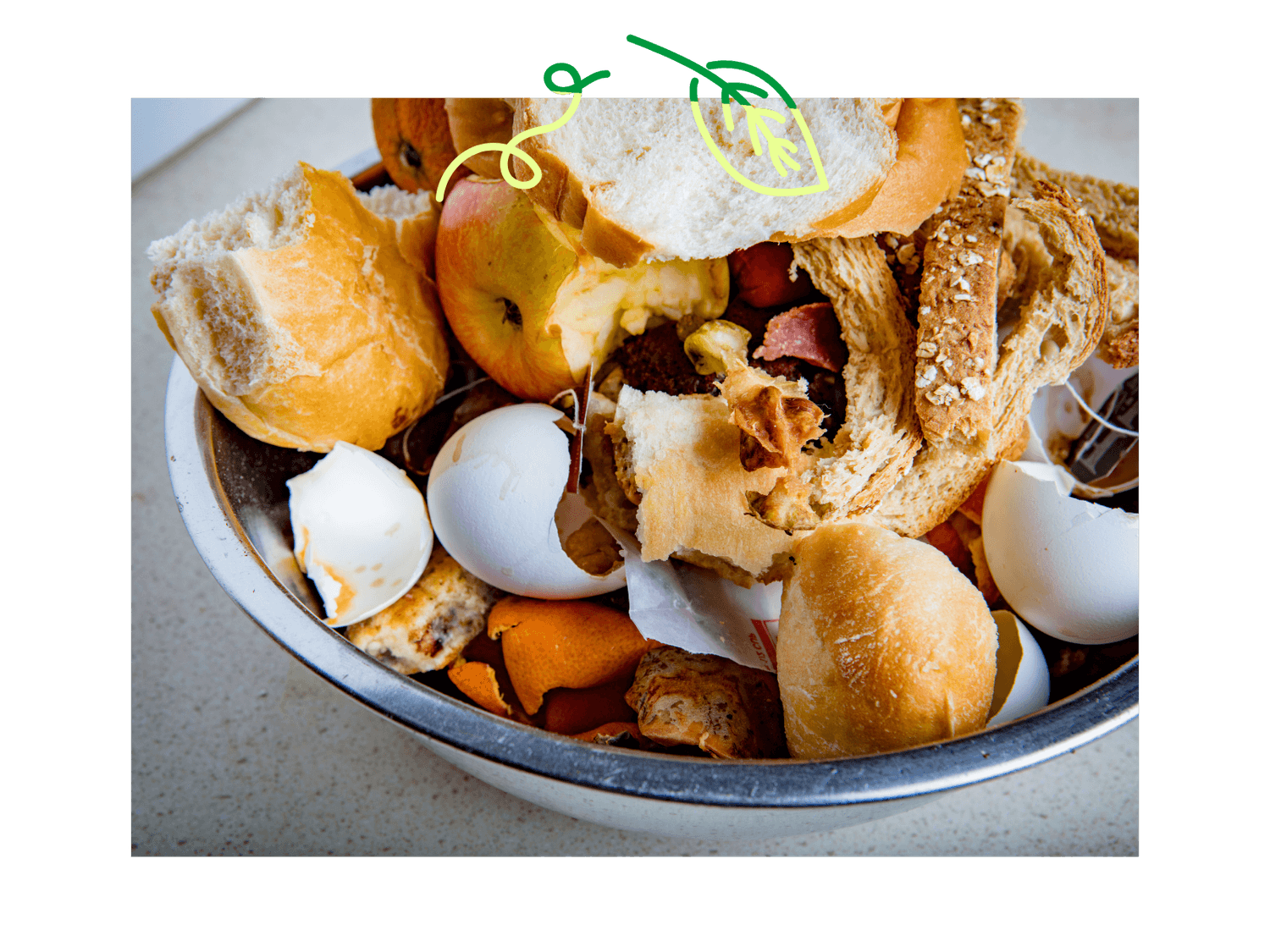
Separation at source determines whether organic waste becomes:

A climate problem
A sanitation issue
Or a soil resource
How organic waste recycling works
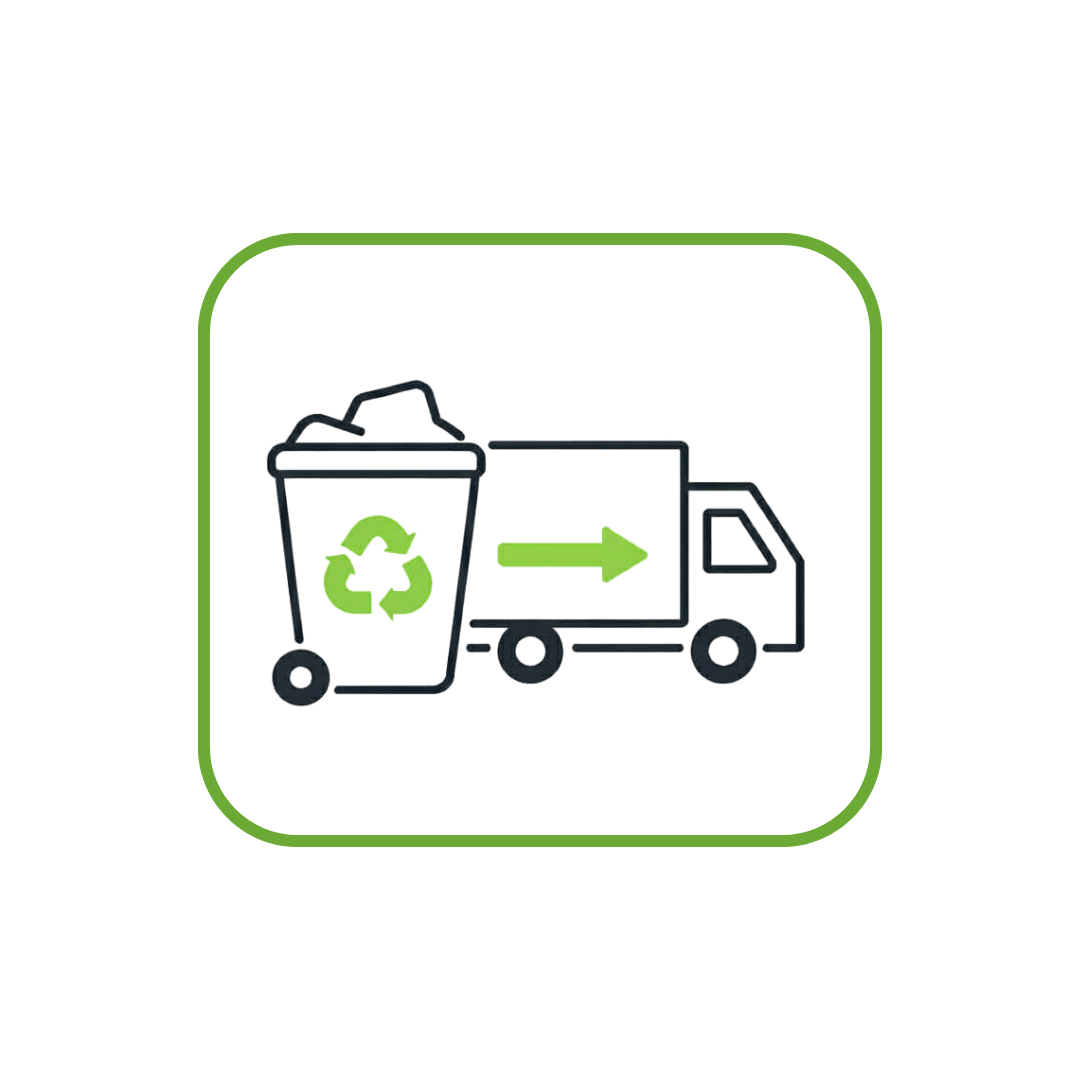
Collection

Separation
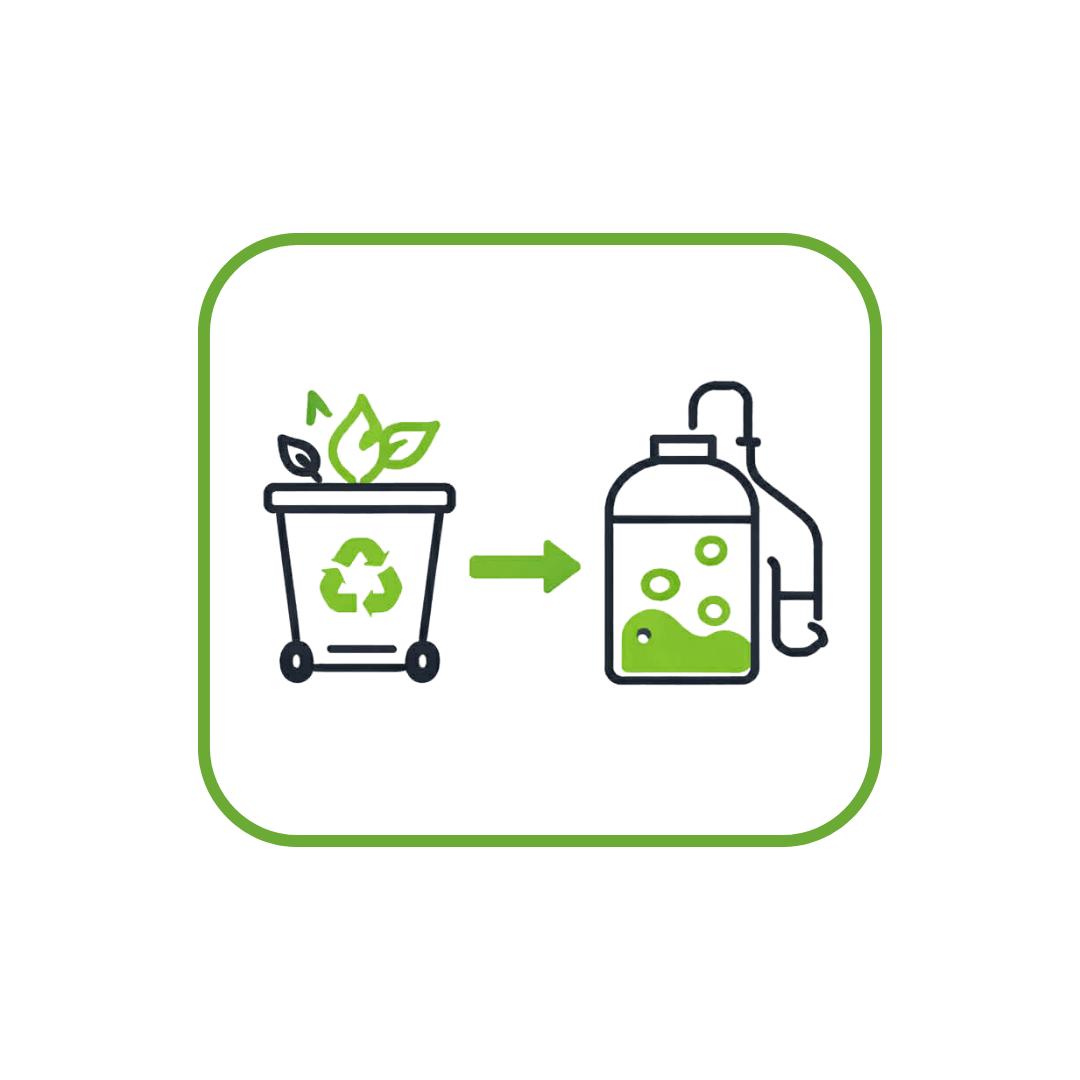
Composting
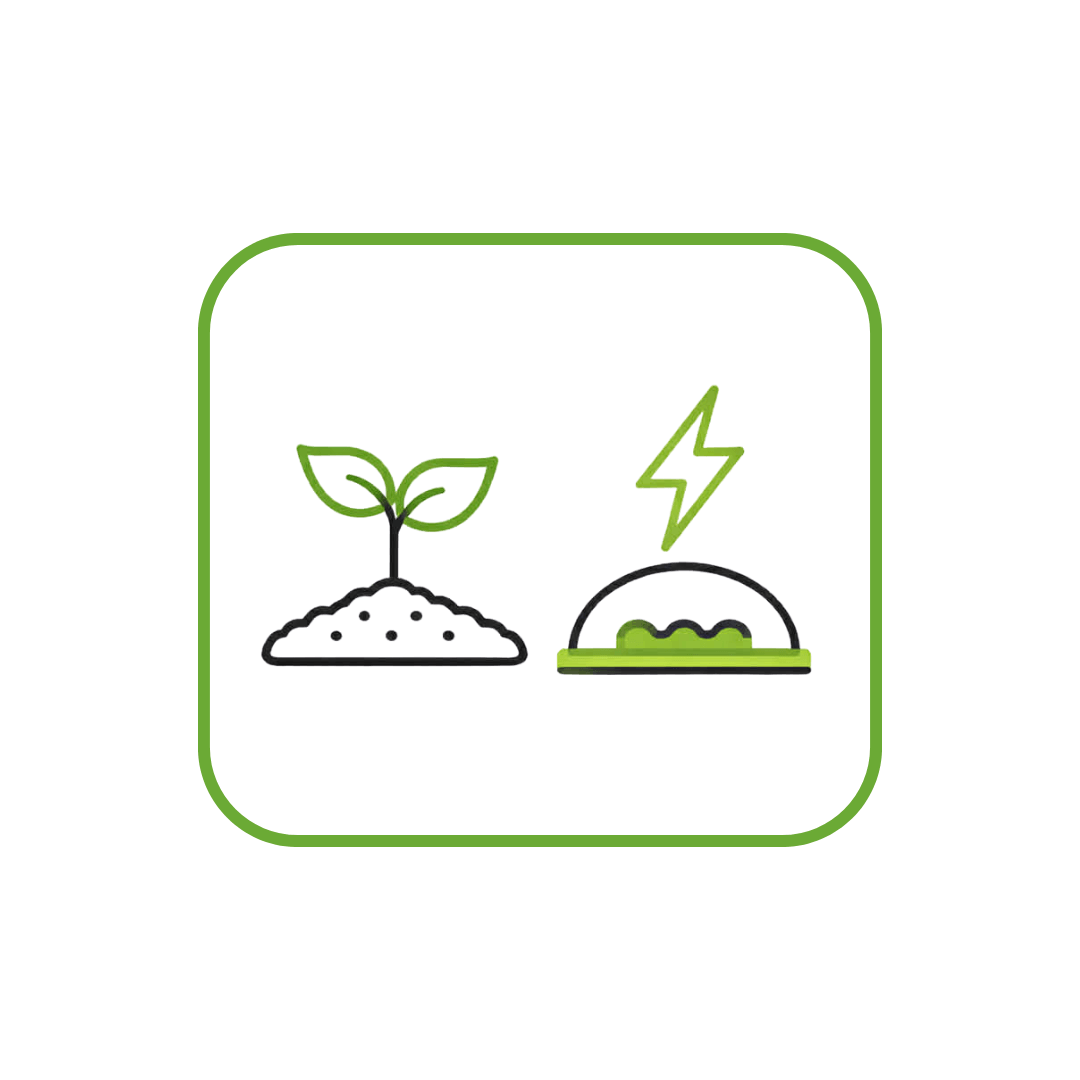
Soil Energy
What doesn’t work

Mixing food waste with plastic or general waste
Sending organic waste to landfills
Composting contaminated materials
Assuming “biodegradable” means harmless anywhere
Ignoring food loss in supply chains
What works better
Reducing food waste at source
Separating organic waste at collection
Composting clean organic streams
Using anaerobic digestion for energy recovery
Returning compost to agricultural soil
Teaching & learning resources
Understanding organic waste helps people connect food systems, soil health, and climate impact.
School of Recycling provides lessons and activities that explain decomposition, methane formation, composting, and nutrient cycles in practical terms.
Key terms
Biodegradable: can be broken down by microorganisms
Methane: greenhouse gas (CH4) produced without oxygen
Composting: controlled biological decomposition
Anaerobic digestion: oxygen free biological energy recovery from organic waste
Nutrient cycle: natural recycling of biological materials